

Table of Contents
- Cotton vs Polyester: A Quick Comfort Comparison
- Why Fabric Choice Changes How Your Clothes Feel
- Cotton for Comfort: Soft, Breathable, and Familiar
- Polyester for Comfort: Durable, Quick-Dry, and Lightweight
- Is Polyester Moisture Wicking? The Truth for Active Days
- Breathable Fabrics for Summer: Cotton vs Polyester in Heat
- Best Fabric Blends for Sensitive Skin and All-Day Wear
- The Environmental Angle: Microplastics and Longevity
- Frequently Asked Questions
Last Updated: September 4, 2026
Cotton vs Polyester: A Quick Comfort Comparison
Fabric choice determines whether you spend your day adjusting your collar or forgetting you're dressed at all. The debate over cotton vs polyester clothing for comfort usually ends with one fabric winning for lounging and the other for workouts, but the reality is more nuanced. Cotton is a natural fiber prized for softness and breathability, while polyester is a synthetic fiber engineered for durability and moisture-wicking performance. At Hoss Style & Co LLC, we evaluate every piece we stock against real-world wear, not just marketing claims, and this guide breaks down exactly when each fabric serves you best. You'll learn which fabric handles heat, sweat, sensitive skin, and long days, so your next purchase actually matches how you live.
The quick answer is that neither fabric is universally superior. Cotton feels luxurious against the skin and absorbs moisture readily, but it stays wet when you sweat. Polyester dries fast and holds its shape, yet it can trap heat and odors if the weave is tight. The best choice depends on your activity level, climate, and skin sensitivity.
Why Fabric Choice Changes How Your Clothes Feel
Most people assume comfort is about fit, but the fabric's physical structure drives how a garment feels within minutes of putting it on. Fiber density, weave tightness, and the hollow or solid nature of each strand determine air permeability, heat retention, and how the textile interacts with your skin. Cotton fibers are short, fluffy, and absorbent, which creates that soft, familiar hand-feel. Polyester fibers are smooth, continuous filaments that can be engineered into different textures, from silky to sporty.
This structural difference produces measurable outcomes in daily wear. Cotton's absorbency means it pulls sweat away from your skin but holds it within the fabric, leaving you damp. Polyester's hydrophobic nature repels water, pushing moisture to the surface where it can evaporate. That single distinction explains why you feel clammy in a cotton tee after a walk but dry in a polyester running top.
Cotton for Comfort: Soft, Breathable, and Familiar
Cotton remains the default for comfort because it delivers what most people want in casual and loungewear: softness, breathability, and a gentle touch against sensitive skin. The natural fibers create a fabric that drapes well and allows air to circulate, which is why cotton pajamas and t-shirts dominate bedtime and weekend wardrobes. For those with skin sensitivity or conditions like eczema, cotton's hypoallergenic nature and lack of synthetic irritation make it the safer pick.
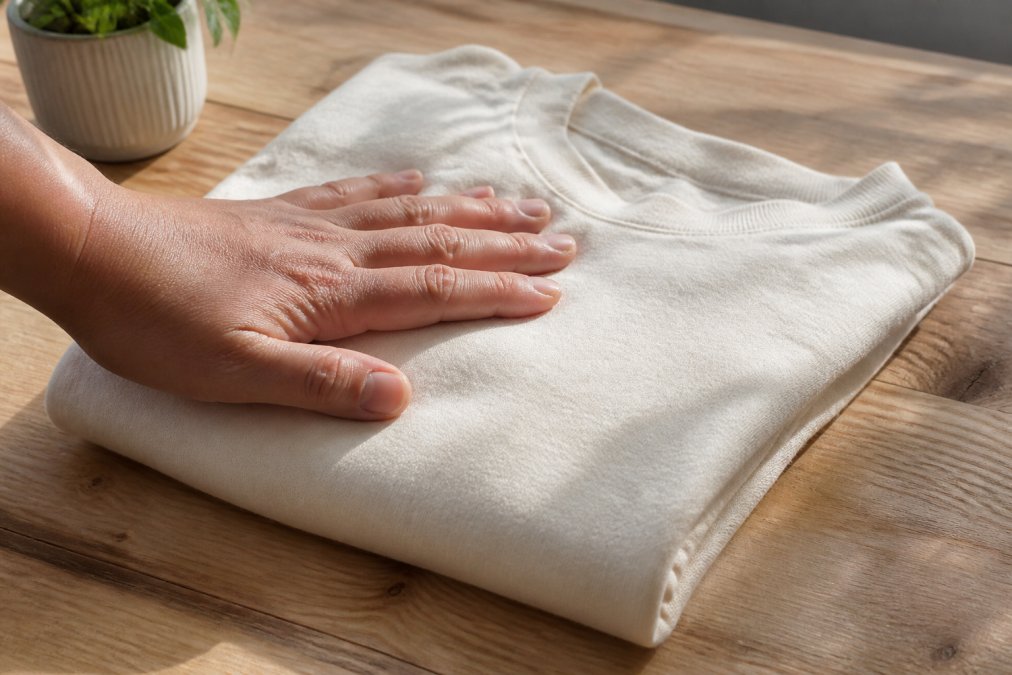
The drawbacks appear when you sweat or wash frequently. Cotton absorbs moisture and dries slowly, which leads to a heavy, damp feeling during exercise. It also wrinkles easily, can shrink in the dryer, and tends to pill with friction over time. For low-activity settings like sleeping or office work, those trade-offs rarely matter. A quality cotton piece, like our Korean Cotton Long-Sleeved Women's Pajama Set at $16.89, offers the softness and breathability that make all-day wear feel effortless. The Men's Cotton Comfort Printed T-Shirt at $21.81 delivers the same natural comfort in a versatile casual cut.


Polyester for Comfort: Durable, Quick-Dry, and Lightweight
Polyester solves the problems cotton creates, making it the go-to for activewear and travel clothing. The synthetic fibers wick moisture away from the body, dry rapidly, and resist wrinkles, shrinking, and abrasion. A polyester garment can survive years of washing without losing its shape or color, which is why it dominates athletic and outdoor apparel. For humid days or high-output activities, polyester keeps you noticeably drier than cotton.
The comfort trade-off is real, though. Polyester has lower air permeability than cotton in many weaves, which can trap heat against the body during sedentary wear. It also generates static electricity and can feel slick or less breathable for people with sensitive skin. But the most overlooked comfort factor is odor retention. Because polyester fibers are hydrophobic and smooth, they do not absorb sweat. Instead, body oils and bacteria adhere to the fiber surface. A 2014 study in the journal Applied and Environmental Microbiology found that polyester fabric retained a significantly higher amount of odor-causing Micrococcus bacteria after washing compared to cotton (PubMed). This is why a polyester gym shirt can smell stale even after a wash cycle, while a cotton shirt tends to release odors more readily. For daily wear, this means a polyester dress shirt might feel dry but develop an unpleasant scent by mid-afternoon in a warm office.
Fabric construction also dictates comfort more than the fiber name alone. A tightly woven polyester (like a poplin or taffeta) can feel stiff and trap heat, while a jersey knit or mesh polyester allows for significant airflow. The denier, the thickness of the individual filament, also matters. Microfiber polyester (filaments under 1 denier) feels soft and silky but can pack tightly, reducing breathability. Standard polyester (2-4 denier) feels more athletic but allows more air movement. When evaluating polyester for comfort, look for knit structures with visible pores or waffle textures that promote ventilation.
Our Fashion Casual Loose Sports Shirt at $35.46 uses long staple cotton for breathability in a sporty cut, while the Long Sleeve Cotton Linen Shirt at $57.18 blends polyester with linen for durability and drape. For pure utility, the Men's Overalls Cotton Loose Casual Pants at $46.12 combine 95% cotton with 5% polyester to balance natural softness with wrinkle resistance.

Is Polyester Moisture Wicking? The Truth for Active Days
Yes, polyester is inherently moisture-wicking because its synthetic fibers repel water rather than absorbing it. When you sweat, the moisture moves along the fiber surface and spreads out, which increases the surface area for evaporation. This evaporative cooling effect is why polyester is the standard for gym wear and performance apparel. Cotton, by contrast, absorbs sweat into the fiber core, trapping it against your skin and slowing evaporation.
The practical result is straightforward. A polyester shirt keeps you dry during a run, a hike, or a commute in summer heat. A cotton shirt soaks through and clings to your chest. However, polyester's moisture management depends on the fabric's construction. Tightly woven microfibers trap heat and moisture, while loosely knit or textured polyester allows better airflow. For active days, look for polyester garments marketed with ventilation or mesh panels to offset the fabric's lower intrinsic breathability.
Breathable Fabrics for Summer: Cotton vs Polyester in Heat
Summer comfort depends on how a fabric handles both heat and humidity, and neither cotton nor polyester wins outright. Cotton excels in dry heat because its loose weave allows air to circulate and its absorbency creates a cooling effect as sweat evaporates. In humid conditions, cotton becomes a liability: it absorbs moisture from the air, stays wet, and feels heavy against the skin. Polyester performs better in humidity because it does not absorb water, keeping the fabric light and promoting evaporation even when the air is saturated.
But fiber type is only half the equation. Fabric weight, measured in GSM (grams per square meter), is the technical metric that determines how a garment feels in summer. A lightweight cotton jersey at 120 GSM is airy and drapes loosely, making it ideal for a hot, dry day. A heavyweight cotton sweatshirt at 300 GSM will trap heat and feel suffocating, regardless of cotton's natural breathability. The same logic applies to polyester: a 90 GSM running singlet with an open mesh weave is far cooler than a 180 GSM polyester polo with a tight pique knit.
Here is the practical rule for summer shopping: For temperatures above 85°F, look for fabrics under 150 GSM. (peer-reviewed research) This applies to both cotton and polyester. Above 150 GSM, the fabric's weight begins to override its fiber's moisture-wicking or absorbent properties. A 200 GSM cotton t-shirt will feel heavy and clingy in July, while a 130 GSM polyester performance tee will feel light and dry. Conversely, a 130 GSM cotton shirt in dry heat will feel cooler than a 130 GSM polyester shirt because cotton's absorbency allows for evaporative cooling, whereas polyester's non-absorbent surface can feel clammy if sweat does not evaporate quickly.
Weave structure also plays a role. A jersey knit (common in t-shirts) has a single-knit structure that is stretchy and breathable. A poplin weave (common in dress shirts) is tight and flat, reducing airflow. A mesh or eyelet knit (common in activewear) has visible holes that maximize ventilation. For summer, prioritize open weaves and lightweight knits over tight weaves, regardless of whether the label says cotton or polyester.
| Fabric Feature | Cotton (Lightweight <150 GSM) | Cotton (Heavyweight >200 GSM) | Polyester (Lightweight <150 GSM) | Polyester (Heavyweight >200 GSM) |
|---|---|---|---|---|
| Breathability (dry heat) | Very High | Low | High | Moderate |
| Breathability (humidity) | Moderate | Very Low | High | Moderate |
| Moisture absorption | High | Very High | Low | Low |
| Drying speed | Slow | Very Slow | Fast | Fast |
| Best for | Dry summer days, lounging | Cool evenings | Humid days, activewear | Travel, cooler summer nights |
Best Fabric Blends for Sensitive Skin and All-Day Wear
Fabric blends often deliver more comfort than either pure fiber alone, especially for people with sensitive skin or long workdays. A cotton-polyester blend combines cotton's softness and absorbency with polyester's durability and quick-dry properties. The most common ratio is 60% cotton and 40% polyester, which offers a balanced hand-feel that resists wrinkles while staying breathable enough for all-day wear. Higher cotton blends, like 95% cotton with 5% polyester, prioritize natural softness while adding just enough synthetic fiber to reduce shrinking and creasing.
For those with true skin sensitivity, cotton remains the safest primary fiber because it avoids the static and synthetic friction that some people find irritating. The key is choosing a blend with cotton as the dominant fiber and ensuring the weave is smooth. Many of our everyday staples use this approach, pairing natural comfort with the practical benefits of synthetic reinforcement. A lighter cotton blend works for office shirts and casual tops, while a higher polyester content suits gym clothes where sweat management matters more than softness.
The Environmental Angle: Microplastics and Longevity
Comfort extends beyond how a fabric feels to how it affects your health and the planet over years of use. Polyester is a plastic derived from petroleum, and every wash releases microfibers into waterways. These microplastics accumulate in ecosystems and have become a documented concern for environmental researchers. Cotton, as a natural fiber, biodegrades without shedding plastic, but conventional cotton farming consumes significant water and pesticides.
Longevity changes the environmental math. A polyester garment that lasts five years may have a lower overall footprint than a cheap cotton shirt that wears out in one season. Higher-quality cotton pieces that survive years of washing also reduce waste. The most sustainable choice is buying fewer, better-made garments and caring for them properly. Washing synthetic fabrics less frequently and using a microfiber-catching laundry bag reduces polyester's environmental impact. Choosing natural fiber blends, like our 95% cotton pants, balances comfort with a lower ecological footprint. For guidance on reducing microfiber pollution, the Environmental Protection Agency's resources on microplastics offer practical context on how synthetic fibers enter waterways.
When you choose between cotton and polyester, you are selecting not just a texture but a set of behaviors: how the garment handles sweat, how long it lasts, and what it leaves behind. For lounging, sleeping, and dry-climate days, cotton's softness is unmatched. For workouts, humid commutes, and travel, polyester's quick-dry performance wins. For most wardrobes, a thoughtful mix of both, plus cotton-dominant blends, delivers the widest range of comfort.
At Hoss Style & Co LLC, we curate pieces that balance natural softness with practical durability, so you can find cotton pajamas for restful nights and cotton-blend pants for long days. Explore our collection and build a wardrobe that feels as good as it looks.
Frequently Asked Questions
Which fabric is best for all-day comfort?
For most everyday settings like the office or running errands, cotton offers superior breathability and softness, making it a strong choice for all-day comfort. Polyester excels during physical activity because it wicks moisture and dries quickly. The best approach is to match the fabric to your activity level. For lounging or casual wear, cotton keeps you comfortable. For workouts or outdoor summer activities, polyester's quick-dry properties prevent that heavy, damp feeling.
Is 80% cotton and 20% polyester a good blend for comfort?
Yes, an 80% cotton and 20% polyester blend is a strong option for comfort. It keeps the soft, breathable hand-feel of cotton while the polyester adds durability and wrinkle resistance. This blend reduces shrinking and pilling, making it a wash-and-wear fabric that holds its shape. It is a practical choice for t-shirts and casual pants, offering a balance between natural comfort and synthetic performance without the downsides of a high-polyester fabric.
Does polyester trap more heat than cotton?
Yes, polyester tends to trap more heat than cotton. Cotton fibers allow for greater air permeability, which lets heat escape and helps keep you cooler in warm conditions. Polyester is a synthetic fiber that does not breathe as well, so it can feel warm when you are not sweating enough for its moisture-wicking properties to kick in. This makes cotton a good choice for hot, humid days or low-activity environments.
Why do some people avoid wearing polyester?
People often avoid polyester because of its association with sweat and odor retention. Its synthetic fibers can trap bacteria, which can lead to a lingering smell even after washing. For those with skin sensitivity, polyester's texture can cause irritation for some, whereas cotton is often considered gentle. Additionally, concerns about microplastic shedding during washing push many toward natural fibers like cotton for both comfort and environmental reasons.
Choosing between cotton and polyester for comfort ultimately comes down to matching the fabric's properties to your specific activities and climate. No single fiber serves every situation, which is why a versatile wardrobe includes both. Hoss Style & Co LLC offers carefully selected pieces across cotton and cotton-blend fabrics, with secure checkout and reliable tracked shipping on every order. Shop All to find your next everyday staple.
This article was written using GrandRanker


