

Table of Contents
- What Is a Modern Capsule Wardrobe and Why People Consider It
- Capsule Wardrobe Pros and Cons: The Real Trade-Offs
- How Many Clothes in a Capsule Wardrobe Actually Works
- How to Build a Capsule Wardrobe on a Budget
- Modern Capsule Wardrobe Ideas That Actually Work for Different Lifestyles
- Is a Capsule Wardrobe Worth It for Your Situation?
- Frequently Asked Questions
Last Updated: October 17, 2026
What Is a Modern Capsule Wardrobe and Why People Consider It
A capsule wardrobe is a curated collection of versatile pieces that work together to create multiple outfits, and whether a capsule wardrobe worth it depends on your lifestyle and priorities. It centers on owning fewer items you actually wear, rather than a closet full of unused clothes. Most people consider one because it promises to simplify getting dressed, reduce decision fatigue, and save money on impulse purchases.
The appeal is straightforward: instead of digging through dozens of options each morning, you reach for pieces that mix and match effortlessly. Neutral colors dominate most capsule wardrobes, think blacks, grays, whites, and beiges, because they pair easily with each other and with accent pieces.
At Hoss Style & Co, we've observed that people drawn to capsule wardrobes fall into two camps. Some are busy professionals tired of decision fatigue before their workday starts. Others are minimalism enthusiasts who see fewer clothes as a path to intentional living. Both share frustration with shopping habits that led to excess clothing they never wear.
The modern capsule wardrobe differs from the 1980s original. Today's version is less rigid and more personalized: rather than a fixed number of identical pieces, it's about quality over quantity and choosing items that suit your lifestyle, body, and personal style.
Capsule Wardrobe Pros and Cons: The Real Trade-Offs
The Genuine Benefits
The most obvious benefit is time savings. When you open your closet, every piece works with multiple others, so you're not overthinking outfit combinations or wondering if something suits the occasion. Your morning routine becomes faster and less stressful.
Fewer clothes also means less clutter. A decluttered closet feels calmer and more manageable, and you know what you own, where it is, and whether it fits your body and lifestyle. Many people report feeling less overwhelmed in other areas once they've simplified their wardrobe.
Cost efficiency matters too, though it requires upfront spending. Instead of buying cheap pieces that wear out quickly, you invest in fewer higher-quality items that last longer and need replacing less often. Over time, cost per wear drops significantly compared to fast fashion.
A capsule wardrobe also reduces impulse buying. With a clear vision of what you need, you're less likely to grab something just because it's on sale or catches your eye, which saves money and reduces the guilt of unused clothes taking up space.
Finally, there's the confidence factor. When everything in your closet fits well and aligns with your personal style, you feel more put-together and stop second-guessing yourself. That boost carries into work and social situations.
The Real Drawbacks
The biggest drawback is the upfront investment. Building a quality capsule wardrobe requires spending money on fewer but better pieces. If your budget is tight, this initial cost can be prohibitive. You're essentially buying a new wardrobe rather than gradually adding to what you have.
Lifestyle changes create real problems. If your job shifts from office-based to creative or manual work, your capsule may no longer fit your needs. A capsule built for mild climates doesn't work in harsh winters, and what worked for a single professional doesn't necessarily work for a parent managing school pickups and sports practices.
Body changes complicate things further. Weight fluctuations, pregnancy, or aging can render a carefully curated wardrobe unwearable, leaving you with pieces that no longer fit.
The boredom factor is real for some people. If you enjoy fashion, variety, and experimenting with styles, a capsule wardrobe feels restrictive, and wearing the same neutral pieces repeatedly can feel monotonous.
Practicality varies by profession. A capsule works beautifully for corporate environments where business casual or formal wear dominates, but it's harder to maintain in creative industries that value personal expression, or if your job requires uniforms or work gear alongside professional clothes.
Finally, the transition period is challenging. Going from a full closet to a capsule means deciding what to keep and what to let go, and many people find it emotionally difficult to release clothes accumulated over years.
How Many Clothes in a Capsule Wardrobe Actually Works
There's no universal number. Most guides suggest 30 to 50 pieces, but that range is too broad to be useful. The actual number depends on your lifestyle, climate, and how often you do laundry.
For colder climates, you need more. Winter layering means more sweaters, long-sleeved tops, and outerwear, so you might need 50 to 60 pieces for enough variety. The same applies if you do laundry less frequently, since more pieces mean longer between washing days.
If your life includes multiple contexts, office work, weekend hiking, formal events, home relaxation, you'll need more pieces than someone with a single consistent lifestyle. A professional who also needs casual weekend wear and formal occasion clothes might need 60 to 70 pieces.
The real metric isn't the number. It's whether you can create 15 to 20 outfit combinations from what you own. If you have 40 pieces but most don't coordinate, you haven't built a functional capsule; 60 pieces that all work together beat a poorly planned 40-piece collection.
Quality matters more than quantity. Five high-quality, well-fitting pieces beat ten cheap items that don't wear well or feel comfortable. Focus on versatile pieces that work for your specific life rather than hitting an arbitrary number.
| Lifestyle | Climate | Suggested Range | Key Considerations |
|---|---|---|---|
| Office-only, weekly laundry | Mild | 30-40 pieces | Fewer layers needed, regular wash schedule |
| Mixed work and casual, weekly laundry | Mild | 40-50 pieces | Need both professional and casual pieces |
| Office-only, weekly laundry | Cold | 45-60 pieces | Layering and outerwear add bulk |
| Mixed lifestyle, less frequent laundry | Any | 50-70 pieces | More pieces allow longer intervals between washing |
| Multiple contexts (work, formal, casual, active) | Any | 60-80 pieces | Must cover diverse situations and occasions |
How to Build a Capsule Wardrobe on a Budget
Start by assessing what you already own. Before buying anything new, identify pieces that fit well, feel comfortable, and align with your personal style. These are your foundation; keep what works and donate or sell the rest.
Next, define your color palette. Choose 2 to 3 neutral base colors (typically black, gray, white, beige, or navy) and 2 to 3 accent colors that complement your skin tone.
Invest in versatile basics first: well-fitting jeans, neutral trousers, simple t-shirts, basic sweaters. These pieces work in multiple contexts and pair with almost everything, so quality matters since you'll wear them constantly.
Add layering pieces next. Cardigans, blazers, and sweaters extend the life of your basics by creating new outfit combinations.
Choose shoes strategically. Our Women's Suede Loafers ($68.78) and Men's Full Grain Leather Slip-On Loafers ($36.37) exemplify this, transitioning seamlessly from casual to business casual.

Buy quality over quantity, but start small. Rather than 10 cheap shirts, buy 3 good ones. Quality pieces last longer, fit better, hold their color and shape through washes, and save money over time through durability and fewer replacements.
Shop secondhand for items you're unsure about. Thrift stores and resale platforms let you experiment at lower prices: if you never wear something, you haven't invested much, and if you love it, you know it's worth buying new.
Wait before buying. When you see something you think you need, wait a week. If you still want it and can envision at least three outfit combinations with pieces you own, buy it.
Modern Capsule Wardrobe Ideas That Actually Work for Different Lifestyles
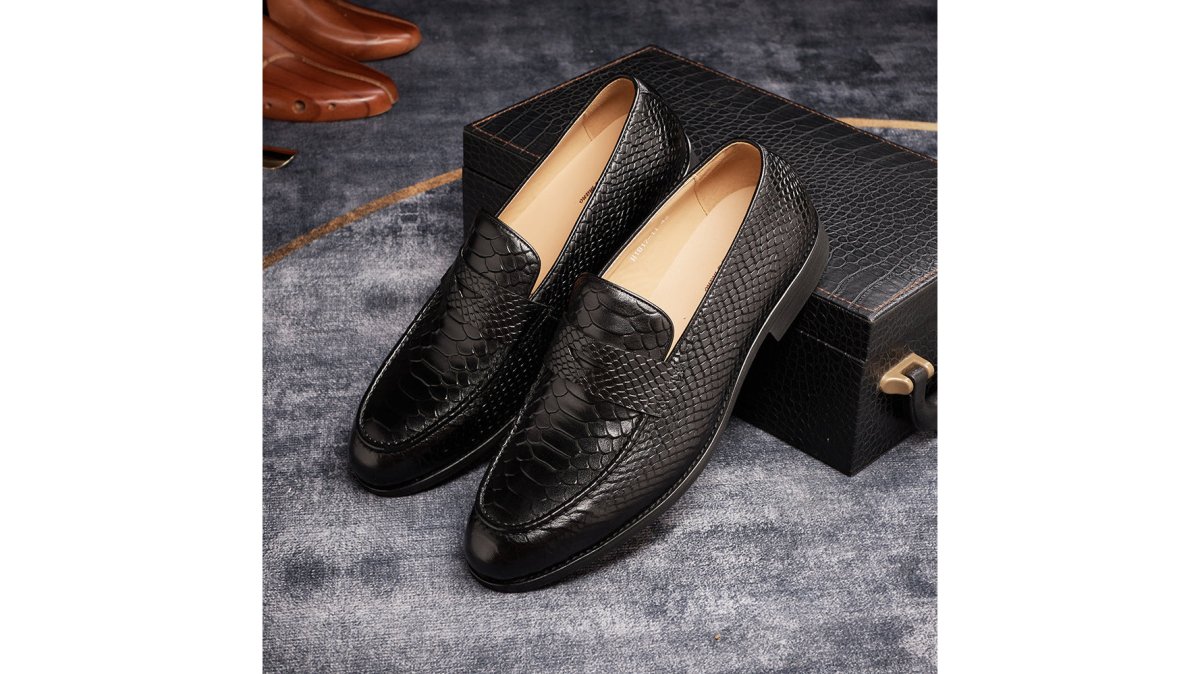
A corporate professional needs pieces that work in formal and business casual contexts. Start with tailored trousers in black and gray, white and light blue button-up shirts, and a structured blazer. Our Men's Leather Business Dress Shoes ($201.68) anchor a professional wardrobe, they work with suits, dress trousers, and smart casual outfits.

A creative professional or freelancer needs more flexibility. Include pieces that express personality while remaining versatile: well-fitting jeans, neutral sweaters, interesting textures, and layering pieces, plus accent colors since creative fields welcome personal expression. Comfortable shoes matter when moving between home office, client meetings, and collaborative spaces.
A stay-at-home parent or caregiver needs comfort and practicality. Comfortable jeans, soft sweaters, and easy-care pieces dominate, along with clothes that move easily and withstand frequent washing for active play.
An active or athletic person needs pieces that work with athletic wear: comfortable leggings, loose-fitting sweaters, and casual pieces that pair with sneakers. Layer-able basics work well since you might move from exercise to casual activities, plus one or two slightly dressier pieces for social occasions. Prioritize comfort and functionality over formality.
A person with a varied lifestyle, mixing office work, casual socializing, and formal events, needs the most pieces. Include business casual basics, casual weekend wear, and one or two formal pieces.
Is a Capsule Wardrobe Worth It for Your Situation?
A capsule wardrobe makes sense if you're tired of decision fatigue and want to simplify your morning routine. It works best with a relatively consistent lifestyle: the same job, similar social activities, stable climate.
It's less worth it if your life involves multiple distinct contexts requiring different dress codes.
Budget matters significantly. With limited funds, building a quality capsule wardrobe requires saving up for initial purchases; doing it gradually leaves you with a hodgepodge collection that doesn't coordinate. If your budget is tight, a capsule approach might frustrate you.
Body stability is another factor. If your weight, body shape, or lifestyle changes frequently, investing heavily in a curated wardrobe is risky, since you might end up with expensive pieces that no longer fit or suit your needs.
Consider your relationship with fashion and shopping. If you genuinely enjoy trying new styles and experimenting with trends, a capsule wardrobe will feel limiting. If shopping stresses you out and your closet overwhelms you, a capsule approach will feel liberating.
A capsule wardrobe is worth the effort if it aligns with your values and lifestyle. It's not worth forcing if it conflicts with how you actually live. The best wardrobe is one you'll actually use, whether that's a curated capsule or a more flexible collection.
Building a wardrobe that works for your life doesn't have to mean spending more money or settling for styles that don't feel like you. At Hoss Style & Co, we focus on versatile pieces designed to transition seamlessly from work to casual settings.
Frequently Asked Questions
Is a capsule wardrobe worth it if I like following fashion trends?
A traditional capsule wardrobe emphasizes timeless pieces, which can conflict with trend-focused shopping. However, you can adapt the concept by building a core of neutral, versatile basics (like our Men's Long Sleeve Henley T-Shirt at $27.89) and adding trend pieces seasonally in limited quantities. This hybrid approach gives you trend flexibility without the full wardrobe overwhelm. The key is intentionality: decide which trends matter to you and budget for them separately from your capsule core.
How much does it actually cost to build a capsule wardrobe?
Costs vary widely based on starting point and quality standards. A minimal capsule with 30-40 pieces can range from $500 to $2,000 depending on whether you buy everything new or repurpose existing items. Quality basics like our Women's Suede Loafers ($68.78) or Men's Full Grain Leather Slip-On Loafers ($36.37) last longer and reduce replacement costs over time. Building gradually and buying fewer, higher-quality pieces often costs less annually than frequent fast-fashion purchases.
What if my job or climate requires clothes that don't fit a capsule wardrobe?
Capsule wardrobes can be customized for any profession or climate. A healthcare worker, construction professional, or someone in a cold climate can build a capsule around scrubs, work boots, or layering essentials specific to their needs. The principle remains: choose versatile pieces within your actual constraints, mix and match to create multiple outfits, and avoid excess. Your capsule might look different from someone in an office, but the efficiency and decision-fatigue benefits still apply.
How often should you update or refresh a capsule wardrobe?
Most capsule wardrobes benefit from annual reviews and seasonal adjustments. Add pieces only when existing items wear out or your life circumstances change (new job, climate move, body changes). Quality matters here: investing in durable pieces like our Men's Leather Business Dress Shoes ($201.68) means they last years, reducing how often you need to replace items. Small, intentional additions beat seasonal overhauls.


