

Table of Contents
- Why Shop Madewell Alternatives
- Affordable Alternatives to Madewell Jeans
- Sustainable Clothing Brands Like Madewell
- Minimalist and Capsule Wardrobe Staples
- Cost-Per-Wear Analysis: Building Your Investment Wardrobe
- Return Policies and Shipping Logistics
-
Brand Comparison: Quality, Price, and Versatility
- Everlane: Radical Transparency and Ethical Basics
- Quince: Luxury Materials at Direct-to-Consumer Prices
- Frank and Oak: Sustainable Minimalism with Subscription Options
- Reformation: Premium Sustainability and Timeless Design
- Universal Standard: Size Inclusivity and the Fit Liberty Program
- AYR: Seasonless Essentials and Quality Denim
- COS: Modern Minimalism and Functional Design
- Sézane: French Timelessness and Certified Sustainability
- Boden: Joyful Classics with Frequent Sales
- How to Find Your Perfect Fit When Switching Brands
Last Updated: August 7, 2026
Why Shop Madewell Alternatives
Finding the right everyday essentials doesn't mean you're locked into one brand. Whether you're seeking affordable alternatives to Madewell jeans or exploring sustainable clothing brands like Madewell that align with your values, the options today are far more diverse than they were two years ago.
The smarter approach to shopping is understanding what makes a brand worth your attention: transparent pricing, consistent sizing, ethical manufacturing practices, and pieces designed to work together as a cohesive wardrobe. Hoss Style & Co LLC understands that everyday style isn't about chasing trends or overspending on basics. It's about building a curated collection of pieces that make getting dressed effortless.
Affordable Alternatives to Madewell Jeans
Premium denim doesn't have to come with a premium price tag. The rise of direct-to-consumer brands has fundamentally changed what you should expect to pay for quality jeans.
Premium Denim Without the Premium Price
Madewell's pricing reflects retail overhead and brand positioning, not necessarily superior fabric or construction. Brands like Quince have flipped this model entirely by sourcing directly from manufacturers and eliminating the middleman, delivering premium materials at transparent prices.
Everlane operates on a similar principle, showing exactly what items cost to produce, what materials are sourced, and how much their markup is. Their denim sits between affordable and durable, not disposable fast fashion, but not luxury positioning either.
Frank and Oak brings sustainability into the equation without the price penalty. Their commitment to recycled materials and eco-conscious dye processes doesn't inflate costs. Universal Standard has eliminated size-based pricing: whether you're buying a size 00 or 40, the price is identical. Combined with their Fit Liberty program, which lets you exchange for a new size free if your body changes within a year, it's a genuinely consumer-friendly model.
Fit and Sizing Guide for Denim Alternatives
You can't try on jeans through a screen, and one brand's "medium" is another's "large." Before committing to any alternative, understand the specific fit characteristics you're looking for.
Madewell is known for a relaxed, slightly high-waisted silhouette with room through the hip and thigh. AYR specializes in seasonless essentials with a polished, slightly tapered fit and true sizing. Everlane's denim tends to run slightly small; most customers recommend sizing up half a size. Quince also skews slightly narrow through the hip. Frank and Oak's fits are generally true to size but vary by specific style. Universal Standard redefines sizing entirely, centering on actual body measurements rather than arbitrary size numbers.
| Brand | Fit Profile | Sizing Tendency | Key Consideration |
|---|---|---|---|
| Everlane | Modern, versatile | Runs small | Check rise height carefully |
| Quince | Relaxed, comfortable | Slightly narrow hip | Good for petite frames |
| Frank and Oak | Timeless, minimal | True to size | Varies by style |
| Universal Standard | Inclusive, precise | Redefined sizing | Fit Liberty exchanges free |
| AYR | Polished, tapered | True to size | Slightly higher price point |
Sustainable Clothing Brands Like Madewell
If sustainability matters to you, several alternatives actually outpace Madewell's efforts.
Ethical Manufacturing and Transparency
Sézane is a French brand with certifications including GOTS (Global Organic Textile Standard), Oeko-Tex, FSC, Ecovero, RWS (Responsible Wool Standard), and RMS (Responsible Material Standard). They use organic cotton, recycled materials, and responsibly tanned leather, and are a B Corp meeting rigorous standards for social and environmental performance.
Reformation has built their entire brand around sustainable practices. They track the environmental impact of every garment, water used, carbon emissions, waste generated, and publish this data on each product page. This level of transparency is rare and transforms sustainability into concrete, measurable data.
Frank and Oak's commitment to sustainability is woven into their DNA through recycled materials and ethical manufacturer partnerships. Everlane's transparency extends to their supply chain, listing specific factories where each product is made and committing to fair wages and improved factory conditions.
Minimalist and Capsule Wardrobe Staples
The philosophy behind a capsule wardrobe is simple: fewer pieces, higher quality, maximum versatility. Every item should work with multiple other pieces.
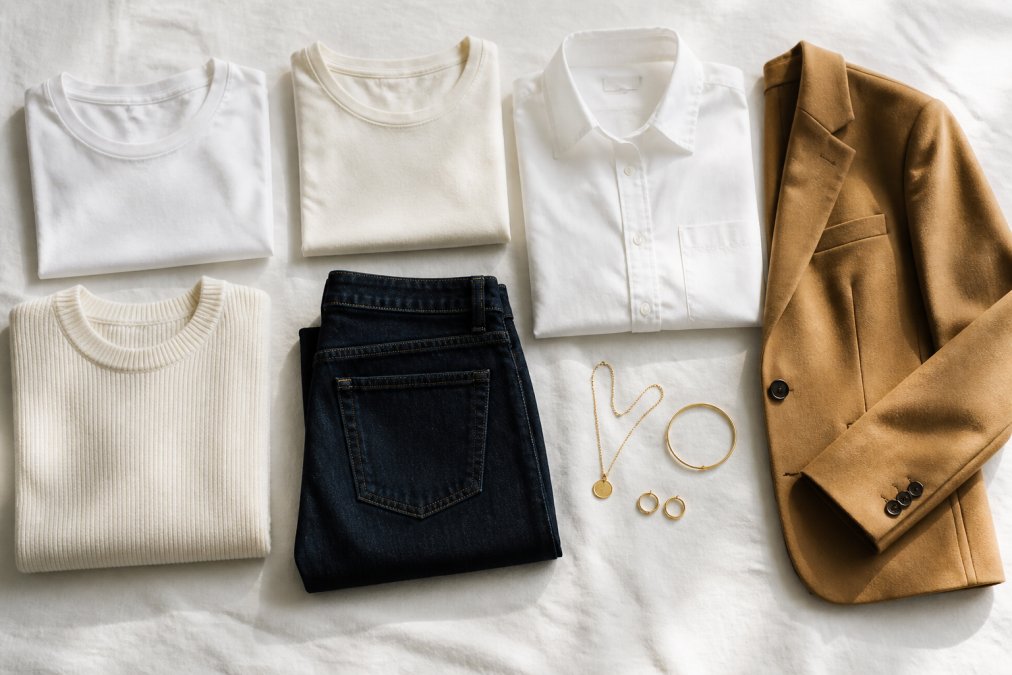
COS specializes in this exact aesthetic, centering on modern minimalism and functional pieces that transcend seasons and trends. AYR's name literally stands for "All Year Round", pieces designed to work across seasons and occasions. Boden brings color and pattern while maintaining the capsule philosophy. Universal Standard's size-inclusive approach makes capsule building genuinely accessible.
Cost-Per-Wear Analysis: Building Your Investment Wardrobe
Cost-per-wear forces you to think about actual usage, not just price tags. Divide the price of an item by the number of times you'll wear it. A $100 pair of jeans worn twice a week for a year equals roughly 100 wears, bringing the cost-per-wear to $1. That same $100 jeans worn once a month equals 12 wears, bringing cost-per-wear to $8.33.
This framework changes how you evaluate Madewell alternatives. A slightly more expensive piece from a brand with better durability and timeless design will almost always outperform a cheaper item that falls apart or feels dated within a season. Quince's $50 cashmere sweater might seem expensive, but if it lasts five years and you wear it 100 times per year, you're looking at roughly $0.10 per wear.
The brands covered in this guide prioritize quality construction, durable fabrics, and timeless design because they want you wearing these pieces for years, not months. When evaluating sustainable clothing brands like Madewell, factor in durability explicitly.
Return Policies and Shipping Logistics
Online shopping anxiety comes down to one thing: what happens if it doesn't fit? The best price doesn't matter if returns are painful or expensive.
Hoss Style & Co LLC prioritizes reliability here. Every order ships with tracking, and the checkout process is secured so you know your payment information is protected.
Most alternatives covered here have similarly customer-friendly policies. Frank and Oak offers free shipping on orders over $99 and free returns. Universal Standard's Fit Liberty program removes the financial risk entirely: if you order something and your size changes within a year, you can exchange it free.
Brand Comparison: Quality, Price, and Versatility
Everlane: Radical Transparency and Ethical Basics
Everlane has built their entire brand on one radical idea: show customers exactly what things cost. Every product page displays the cost breakdown, materials, labor, transportation, and Everlane's markup.
Their aesthetic is clean minimalism. The pieces aren't trying to be trendy; they're trying to be foundational. Quality is solid, fabrics are durable, construction is thoughtful, and fit is consistent.
Pros: Transparent pricing, high-quality construction, consistent sizing, ethical manufacturing partnerships
Cons: Limited product range, minimal trend-forward pieces
Best for: Minimalists seeking trustworthy basics and transparent pricing.
Quince: Luxury Materials at Direct-to-Consumer Prices
Quince's positioning is audacious: luxury materials at a fraction of luxury prices. A $50 cashmere sweater. A $200 leather jacket. The business model is simple: eliminate the middleman by sourcing directly from manufacturers.
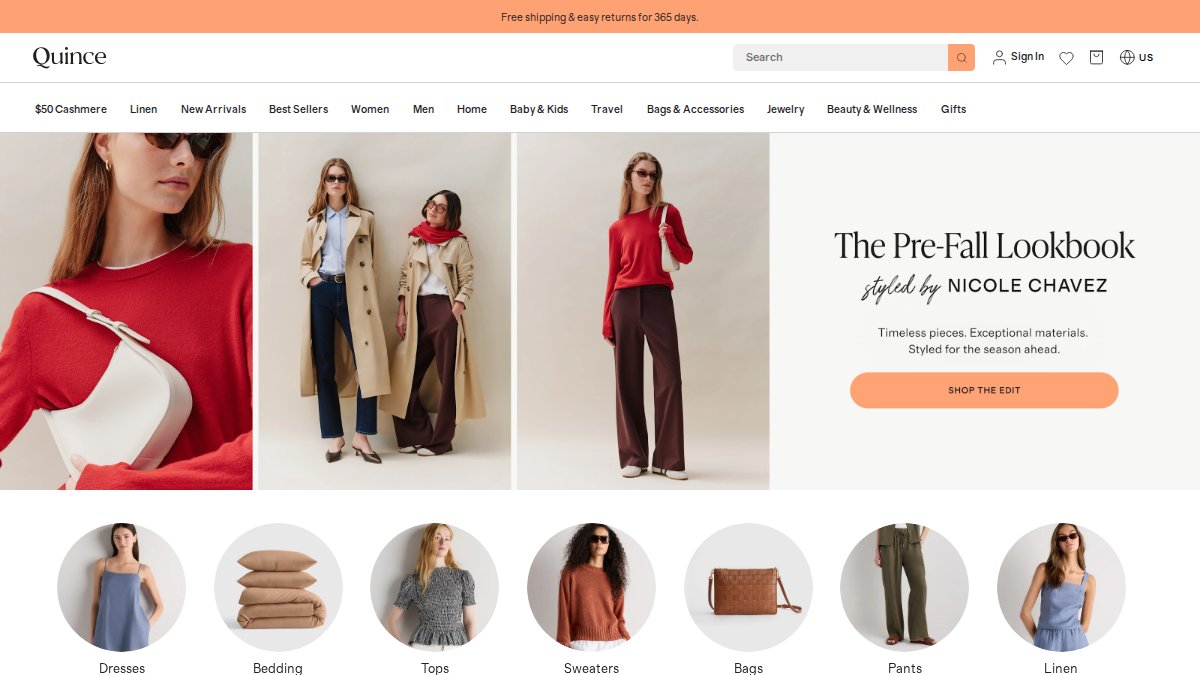
Pros: Exceptional value on premium materials, good variety, transparent pricing, strong sustainability commitments
Cons: Design is sometimes generic, sizing inconsistencies, availability fluctuates
Best for: Budget-conscious shoppers seeking luxury materials without designer markups.
Frank and Oak: Sustainable Minimalism with Subscription Options
Frank and Oak's approach to sustainability feels integrated rather than bolted on. They use recycled materials, partner with ethical manufacturers, and offer a Style Plan subscription that encourages thoughtful consumption.
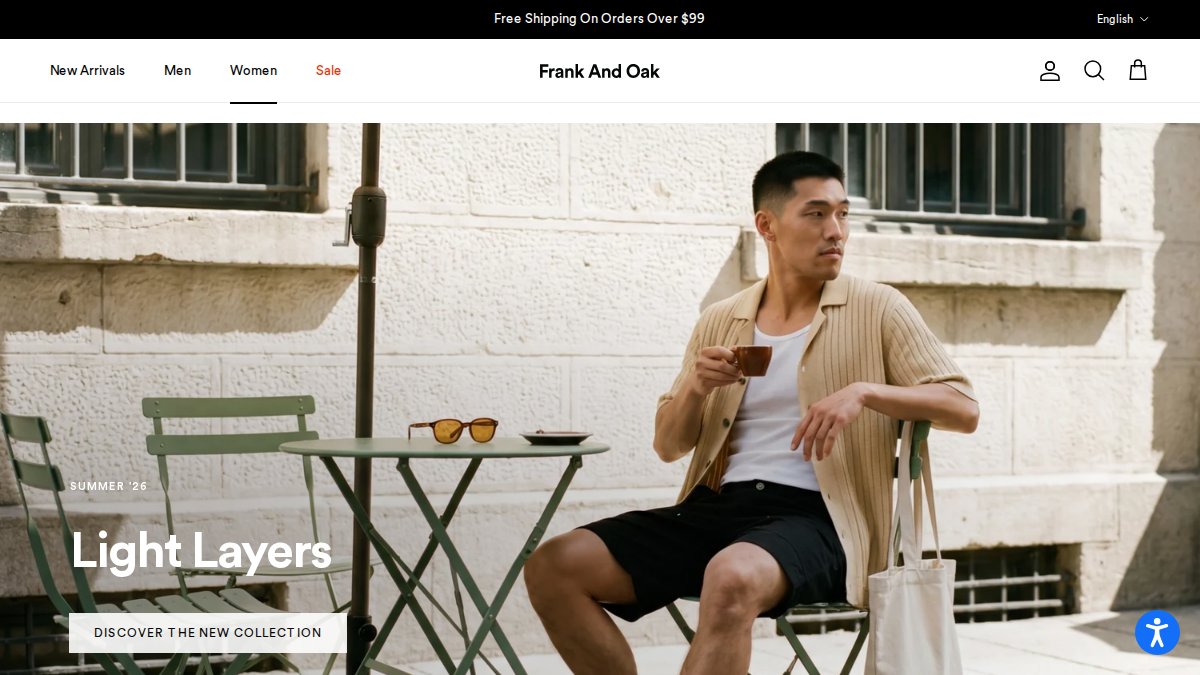
Pros: Strong sustainability credentials, thoughtful collections, useful subscription option, free shipping and returns over $99
Cons: Subscription model not for everyone, higher pricing due to sustainable practices
Best for: Environmentally conscious shoppers valuing curated, sustainable options.
Reformation: Premium Sustainability and Timeless Design
Reformation has achieved something rare: they've made sustainability cool. Every product page displays environmental impact data. Design is contemporary but not trendy, and pieces are built to last.
Pros: Genuine sustainability with transparent impact metrics, stylish design, good quality construction
Cons: Higher price point, limited size range in some styles
Best for: Style-conscious shoppers prioritizing sustainability without sacrificing aesthetics.
Universal Standard: Size Inclusivity and the Fit Liberty Program
Universal Standard's innovation is structural: they've reimagined sizing based on actual body measurements. The Fit Liberty program is genius: order something, and if your size changes within a year, you can exchange it free.
Pros: True size inclusivity, Fit Liberty eliminates sizing risk, quality construction, reasonable pricing
Cons: Sizing system requires learning a new approach, occasional inconsistencies
Best for: Anyone who's struggled with inconsistent sizing across brands.
AYR: Seasonless Essentials and Quality Denim
AYR's name is their philosophy: All Year Round. Every piece is designed to work across seasons and occasions. Their denim is exceptional, the fit is polished but not restrictive, and styling is contemporary without being trendy.
Pros: Exceptional denim quality, consistent sizing, seasonless design, polished aesthetic
Cons: Higher price point, limited trendy pieces
Best for: Quality-focused shoppers seeking reliable seasonless essentials.
COS: Modern Minimalism and Functional Design
COS approaches minimalism from a design perspective. Every detail has been refined to perfection. Their pieces work together intuitively because each item is designed to complement others.
Pros: Exceptional design and functionality, modern minimalist aesthetic, consistent sizing
Cons: Can be pricier than fast fashion, minimalist style not for everyone
Best for: Design-conscious minimalists seeking contemporary, functional basics.
Sézane: French Timelessness and Certified Sustainability
Sézane ships directly from Paris, bringing a distinctly French perspective to everyday fashion. The brand is a B Corp with multiple sustainability certifications: GOTS, Oeko-Tex, FSC, Ecovero, RWS, and RMS.
Pros: Exceptional quality and timelessness, strong sustainability certifications, distinctive aesthetic
Cons: Higher price point, sizing inconsistencies, international shipping means longer delivery
Best for: Those seeking French-inspired timeless pieces with strong sustainability credentials.
Boden: Joyful Classics with Frequent Sales
Boden brings a different energy to the alternatives conversation. While most brands embrace minimalism, Boden embraces color, pattern, and personality while maintaining quality and versatility. The brand offers clothing for women, men, and children.
Pros: High-quality construction, joyful colors and prints, frequent sales, wide size range
Cons: Can be pricier at full retail, more traditional style
Best for: Those seeking classic, colorful, well-made clothing with personality and frequent sales opportunities.
How to Find Your Perfect Fit When Switching Brands
The biggest obstacle to trying new brands is sizing anxiety. But this obstacle is surmountable if you approach it strategically.
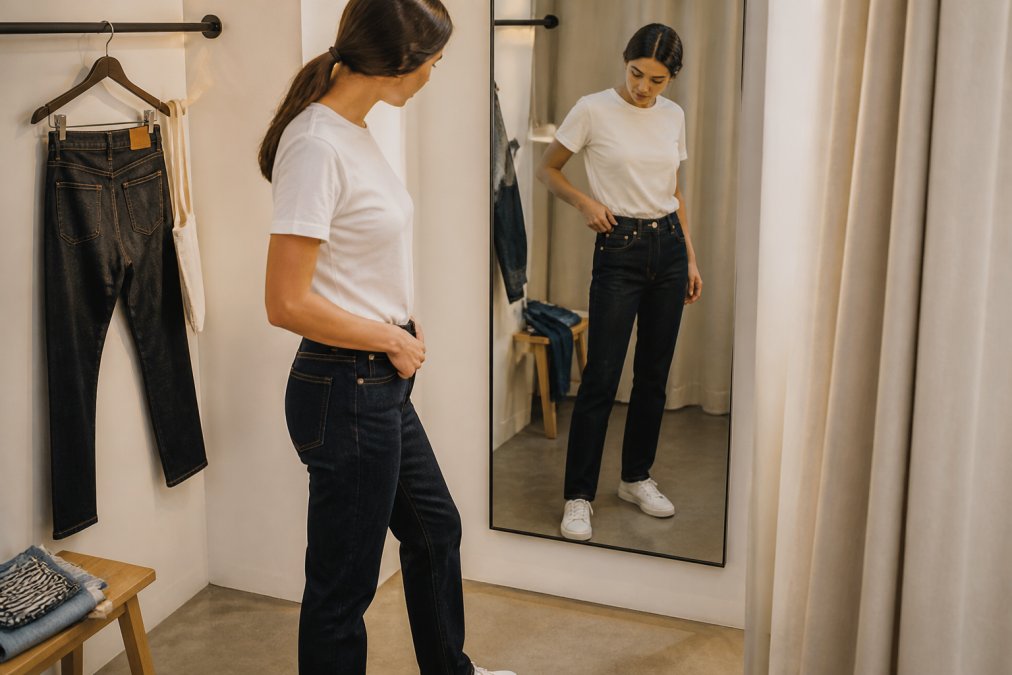
Start with your measurements. Measure your actual body: waist, hip, inseam, chest. Then compare your measurements to the brand's size chart, not to your usual size. Most fit issues come from people assuming their size will transfer directly across brands.
Read the fit notes carefully. Most product pages include descriptions like "runs small," "true to size," or "generous through the hip." These are usually based on thousands of customer reviews. Check customer reviews specifically for sizing feedback from people with similar body types.
Order your first item during a return window you're comfortable with. Order two sizes if you're uncertain. One will fit. Return the other. After your first successful purchase, you have data about what that brand's sizing feels like on your body. Future orders become easier.
Finding Madewell alternatives for everyday style doesn't require compromising on quality or values. The brands covered in this guide have fundamentally challenged the traditional retail model, proving that transparency, sustainability, and accessibility aren't incompatible with quality and style. Whether you prioritize ethical manufacturing, size inclusivity, environmental impact, or simply better value, there's a brand here that aligns with your priorities. The key is understanding what matters most to you, then committing to one or two brands long enough to learn their sizing and aesthetic. At Hoss Style & Co LLC, we believe that approach, thoughtful curation, quality basics, reliable shipping, is what everyday style should be. Learn more about sustainable fashion from the Sustainable Apparel Coalition. Start with one brand, build confidence in their fit and quality, then expand from there.
Frequently Asked Questions
What brands are similar to Madewell but cheaper?
Everlane, Quince, and Universal Standard offer comparable quality and versatile everyday essentials at lower price points than Madewell. Everlane emphasizes transparent pricing and ethical production, Quince cuts costs through direct-to-consumer manufacturing, and Universal Standard prioritizes size inclusivity alongside affordability. Each delivers durable basics without the premium retail markup, making them strong madewell alternatives for budget-conscious shoppers.
Are there sustainable clothing brands like Madewell that prioritize ethical manufacturing?
Yes. Frank and Oak, Reformation, and Sézane are sustainable clothing brands like Madewell with strong ethical commitments. Frank and Oak uses recycled materials and eco-conscious dyes. Reformation emphasizes verifiable sustainable practices and transparent supply chains. Sézane holds B Corp certification and uses GOTS-certified organic cotton and responsibly tanned leather. All three deliver timeless, versatile pieces designed to last, reducing waste through durability rather than fast turnover.
How do I know if a brand's return policy actually works for online shopping?
Look for free return shipping, clear timelines (at least 30 days), and no restocking fees. Frank and Oak offers free returns on orders over $99. Everlane and Universal Standard provide straightforward return processes with prepaid labels in many cases. Check customer reviews specifically mentioning return experiences, and verify the policy covers defects and sizing issues. Reliable tracking on outbound and return shipments is essential, confirm the brand provides tracking numbers for both directions before ordering.
What does 'cost-per-wear' mean, and how does it help me choose madewell alternatives?
Cost-per-wear divides an item's price by how many times you'll realistically wear it. A $100 pair of jeans worn 200 times costs $0.50 per wear; a $30 trend piece worn 5 times costs $6 per wear. When comparing madewell alternatives, focus on versatile pieces, neutral-colored basics, tailored fits, and timeless silhouettes, that work across seasons and occasions. Brands like AYR, COS, and Sézane excel here because their designs remain relevant for years, lowering your true cost per wear despite higher upfront prices.
Which madewell alternatives offer the best size inclusivity?
Universal Standard stands out with sizes 00-40 and the Fit Liberty program, which allows free size exchanges within a year if your body changes. Boden and COS offer extended size ranges across most styles. Frank and Oak and Reformation provide inclusive sizing, though some styles sell out in certain sizes. Always check each brand's specific size run for your preferred styles before ordering, as inclusivity varies by collection. Universal Standard's commitment to inclusive fit is unmatched in this group.
This article was written using GrandRanker


