

Table of Contents
- Why Maxi Dresses Are the Foundation of Effortless Style
- Casual Maxi Dresses for Daytime Wear
- Formal and Evening Maxi Dresses for Occasion Wear
- How to Style a Maxi Dress for Work
- Building Comfortable Professional Attire for Women 2026
- The Best Shoes for Maxi Dresses
- Fabric Care and Seasonal Transitioning for Maxi Dresses
- Find Your Perfect Maxi Dress Fit
- Frequently Asked Questions
Last Updated: September 8, 2026
Maxi dresses deliver instant comfort and polished style, moving beyond trend status to become a foundational staple for busy women. Below, we break down how to choose, style, and care for the best maxi dresses women's clothing has to offer in 2026. Below, we break down how to choose, style, and care for the best maxi dresses women's clothing has to offer in 2026.
Why Maxi Dresses Are the Foundation of Effortless Style
A maxi dress is a one-piece outfit that eliminates the guesswork of coordinating separates while providing coverage and breathability shorter styles cannot match. The continuous fabric line elongates the body, creating a sleek silhouette that reads as intentional and elegant.
Versatility keeps maxi dresses in permanent rotation. A simple floral maxi works for a farmers market visit, while the same shape in a luxe fabric handles a dinner reservation. This adaptability means you need fewer pieces overall.

Casual Maxi Dresses for Daytime Wear
Casual maxi dresses are the workhorse of a functional wardrobe, but the difference between a great one and a frustrating one comes down to fabric science and silhouette choice, not just the print.
The Fabric Hierarchy for All-Day Comfort
When wearing a dress from 9 AM to 5 PM, fiber content is your primary concern. Here is how the most common casual maxi dress fabrics perform:

- Cotton: The gold standard for breathability and absorbency. However, 100% cotton wrinkles easily and can feel heavy if the weave is tight. Look for cotton poplin for a crisp feel or cotton jersey for a t-shirt-like softness that moves with you. Cotton blends (like cotton-lyocell) offer the same breathability with significantly less wrinkling (peer-reviewed research).
- Rayon/Viscose: This is the chameleon of casual fabrics. It drapes beautifully and feels cool against the skin, making it ideal for humid summer days. The trade-off is that it is prone to shrinking and can be delicate when wet. If you choose a rayon maxi, plan to hand-wash or use a mesh bag on a delicate cycle.
- Linen: The ultimate warm-weather fabric, linen is highly breathable and gets softer with every wash. Its tendency to wrinkle is part of its aesthetic, but for a more polished daytime look, a linen-blend (often with cotton or Tencel) offers structure while minimizing the crease factor.
- Tencel/Lyocell: This is the modern workhorse. Made from sustainably sourced wood pulp, it is softer than cotton, drapes like rayon, and is far more durable and wrinkle-resistant. Many of the best casual maxis on the market are now made from Tencel because it bridges the gap between comfort and polish.
Silhouette Mechanics: Why Fit Dictates Comfort
Beyond fabric, the cut determines how the dress functions during a busy day. The most common mistake is choosing a style that is either too shapeless or too restrictive.
- The Relaxed A-Line: This is the most forgiving silhouette. It skims the body without clinging, allowing for airflow and unrestricted movement. It is the best choice for running errands or travel days. The key is ensuring the shoulder seams sit correctly; if they are too tight, the whole dress pulls.
- The Empire Waist: With a seam just below the bust, this style is excellent for creating length and is particularly flattering for petite frames or those who prefer to de-emphasize the midsection. It allows for a flowy skirt without adding bulk at the waist.
- The Ribbed Knit Maxi: This is a newer category that offers a body-hugging fit with the comfort of activewear. The stretch in the fabric provides structure, but you must check the fabric weight, a heavier rib (like a 10-ounce knit) will hold its shape better and not go sheer when stretched.
The 'Shoe Gap' Rule for Casual Styling
A specific styling mechanism most guides miss is the 'shoe gap', the distance between the hem and the ground. For a casual daytime look, you want a 1 to 2-inch gap between the hem and the floor when barefoot. This allows you to wear flat sandals or sneakers without the fabric dragging and picking up dirt.
The Color and Print Psychology of Day Dresses
While floral prints are a summer staple, the scale of the print matters. A small-scale ditsy floral reads as casual and is easy to wear, while a large-scale, high-contrast floral is more dramatic and harder to style. For a versatile daytime wardrobe, consider solid colors in saturated tones (like rust, olive, or navy).
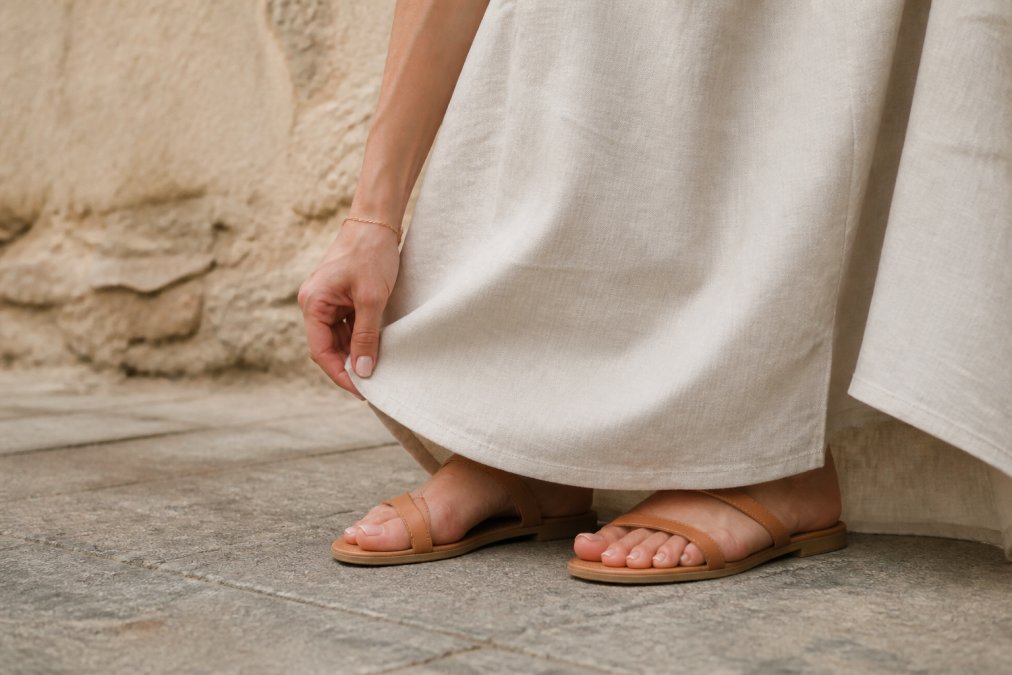
By focusing on the fabric's mechanical properties and the specific fit of the silhouette, you can select a casual maxi dress that functions as a true wardrobe staple.
Formal and Evening Maxi Dresses for Occasion Wear
Formal maxi dresses are a study in controlled drama. The silhouette is the same as a casual dress, but the materials, construction, and styling rules are entirely different. To make the right choice, decode the dress code and understand the physics of evening fabrics.
Decoding the Dress Code: From Cocktail to Black Tie
The term 'formal' is a spectrum, and wearing the wrong weight of dress can leave you feeling overdressed or underdressed. Here is a practical breakdown of what different invitations imply:
- Semi-Formal / Cocktail Attire: This is the most common category for weddings and milestone dinners. For a maxi dress to work here, it should be in a luxe fabric like silk charmeuse, satin, or a heavy crepe. The silhouette can be a column or a subtle A-line, but it should have a defined waist or a structural element (like a cowl neck or a slit) to elevate it from daytime wear. Avoid anything with a jersey knit or a ruffled, bohemian feel.
- Black Tie Optional: This gives you more freedom. You can opt for a floor-length gown in a rich fabric like velvet (for fall/winter) or a structured satin. This is where you can introduce a dramatic train or a more elaborate back design. The key is that the fabric must have a 'hand', a weight and texture that feels substantial.
- Black Tie: This is the strictest category. The dress should be a formal gown, typically floor-length, in a luxurious fabric. Think chiffon over silk, duchesse satin, or a fine sequin mesh. The construction is more complex, with boning in the bodice or a more engineered fit. This is not the time for a simple slip dress.
The Physics of Evening Fabrics: Weight and Drape
The most common mistake in evening wear is choosing a fabric too lightweight for the occasion. A dress perfect for a beach vacation will look insubstantial in a ballroom.
- Satin: A high-quality satin has a lustrous sheen and a fluid drape. The weight matters, a 4-ply satin is heavier and more forgiving than a 2-ply, which can cling to every curve. Satin shows every wrinkle and line, so it requires a precise fit.
- Velvet: This is a winter staple. Its pile (the raised fibers) gives it depth and absorbs light, making it incredibly flattering. A silk-blend velvet drapes better than a synthetic one. The weight of velvet means it pulls down, so a dress with a good internal structure (like a corset back or a supportive bodice) is essential.
- Sequin and Beaded Fabrics: These are the 'armor' of evening wear. The key is the base fabric. A sequin mesh is flexible and comfortable, while a beaded lace over a silk underlay is more structured. The weight of the embellishments dictates the fit, heavily beaded dresses often require a more tailored fit because they do not stretch.
The 'Light Reflection' Test for Evening Wear
A practical mechanism for choosing an evening dress is the 'light reflection' test. In a dimly lit restaurant or ballroom, the way fabric catches light is what makes it look expensive or dull.
- High-Luster Fabrics (Satin, Silk): These reflect light directly, creating a spotlight effect. They draw attention to the area they cover. If you want to highlight your shoulders or collarbone, a strapless satin dress does this effectively.
- Matte Fabrics (Crepe, Velvet): These absorb light, creating a slimming, understated effect. They are excellent for a minimalist look where the cut of the dress is the star.
- Shimmer Fabrics (Sequin, Metallic): These scatter light, creating a sparkle effect. They are festive but can be visually overwhelming in large quantities. A common styling rule is to balance a heavily embellished dress with minimal jewelry and a simple hairstyle.
Styling for the Occasion: The 60/40 Rule
When accessorizing a formal maxi dress, use the 60/40 rule: 60% of your visual impact should come from the dress itself, and 40% from your styling (hair, makeup, jewelry, shoes). If you have a highly embellished dress, your styling should be minimal.
The 'Shoe Height' Calculation for Hemlines
Unlike casual dresses, formal maxi dresses are often designed to be worn with a specific heel height. A gown with a hem that grazes the floor is cut for a 3-inch heel. If you plan to wear flats, you will need to have the hem altered. A practical approach is to purchase a dress that is slightly too long and have it hemmed to your exact shoe height.
By understanding the fabric weight, the dress code, and the mechanics of light and movement, you can select an evening maxi dress that makes you feel confident and appropriately dressed for any formal occasion.
How to Style a Maxi Dress for Work
Styling a maxi dress for work comes down to balancing the relaxed length with polished, structured additions. Start with a dress in a solid, muted color or subtle print, then layer a tailored blazer or cropped cardigan to define your waist and add structure.
The key to pulling off a maxi dress in a professional environment is avoiding anything too flowy or beach-like. Choose styles with a more fitted bodice or defined waist, and skip bare shoulders by adding a structured layer. Our Women's Floral Long Sleeve Maxi Dress at $39.85 works well, featuring a classic polo collar and flowing maxi-length silhouette.
Building Comfortable Professional Attire for Women 2026
Comfortable professional attire for women in 2026 has shifted toward soft tailoring and pieces that prioritize ease without sacrificing authority. Rigid suiting has given way to fabrics with stretch, relaxed cuts, and silhouettes that accommodate real movement.
Maxi dresses fit perfectly into this new professional paradigm because they offer coverage and polish while feeling as comfortable as loungewear. For the modern workplace, choose maxi dresses in wrinkle-resistant knits or ponte fabrics that hold their shape.
The Best Shoes for Maxi Dresses
The best shoes for maxi dresses depend on the hemline length and the overall vibe you want to create. For casual daytime maxis that graze the floor, flat sandals, espadrilles, or clean white sneakers keep the look relaxed and grounded.
For formal and evening maxi dresses, heeled sandals or pointed-toe pumps add height and elongate the leg line, which is flattering with a floor-length hem. If your maxi dress has a side slit or shorter front hem, you have more freedom to show off statement shoes.
Fabric Care and Seasonal Transitioning for Maxi Dresses
Proper fabric care extends the life of your maxi dresses. Always check the care label first, but a general rule is to wash delicate fabrics like rayon and linen in cold water on a gentle cycle, then hang to dry to prevent shrinkage.
Seasonal transitioning is where owning several maxi dresses pays off. In cooler months, layer a turtleneck underneath a sleeveless maxi, add opaque tights, and finish with ankle boots and a long coat (the NIH).
Find Your Perfect Maxi Dress Fit
Finding the perfect maxi dress fit starts with understanding your body proportions. Petite women often prefer maxi dresses with a higher waistline or a slit that shows a hint of ankle, preventing the fabric from overwhelming a smaller frame. Taller women can carry fuller skirts and longer hemlines with ease.
Fit also depends on the occasion and your comfort preferences. A relaxed, flowy silhouette works for casual days, while a more fitted bodice provides structure for professional or formal settings.
Finding the right maxi dresses women's clothing collection should not require endless searching. At Hoss Style & Co LLC, we curate versatile, comfortable pieces designed to transition effortlessly from work to weekend, backed by secure checkout and reliable tracked shipping on every order. Explore our selection of floral prints, elegant lace, and shimmering evening styles to find the maxi dress that fits your life. Shop All and discover how easy building a versatile wardrobe can be.

Frequently Asked Questions
What body type looks best in a maxi dress?
Maxi dresses are one of the most versatile pieces in women's clothing because they flatter every body type. The key is choosing the right silhouette. A-line styles with an elastic waist define your shape, while wrap dresses create an hourglass look. Plus size options with a fitted bodice and flowy skirt offer comfort and support. For petites, look for a hemline that hits just above the floor to avoid tripping, and pair it with wedges to add height without sacrificing the maxi length.
How do you style a maxi dress for a professional environment?
To style a maxi dress for work, start with one in a solid color or subtle floral print. Add a tailored blazer to define your waist and create a polished silhouette. Choose comfortable professional attire for women 2026, like a structured blazer in a neutral tone such as navy or beige. Complete the look with closed-toe block heels or loafers. Avoid dresses with open backs or crochet details for the office, and keep accessories minimal to maintain a professional appearance.
What shoes should you wear with a maxi dress?
The best shoes for maxi dresses depend on the occasion and the dress's hemline. For daytime wear, white sneakers create a casual, effortless look. Strappy sandals or flat gladiators work well for summer outings. When dressing for evening events, heeled mules or strappy heels add elegance. If you are petite, nude heels help elongate your legs. For a boho style, try wedge sandals or ankle boots. Always ensure your shoes complement the dress's length so the hemline skims the floor without dragging.
Can a 60 year old wear a maxi dress?
Absolutely. Maxi dresses are ageless when you pick the right cut and fabric. Women over 60 often prefer styles with a defined waist, short or long sleeves, and a modest v-neck or round neckline. Look for breathable fabrics like cotton or linen for daytime and a structured crepe for evening. Avoid overly voluminous styles that hide your shape. A floral maxi dress with a fitted bodice offers both comfort and a flattering silhouette, making it a versatile addition to any wardrobe.


