

Table of Contents
- Minimalist Wardrobe vs Maximalist Style: Core Philosophy
- Minimalist Wardrobe Essentials: Building Your Foundation
- Maximalist Outfit Ideas: Embracing Abundance
- How to Mix Patterns in an Outfit: A Practical Guide
- Capsule Wardrobe for Every Style: Minimalist and Maximalist Approaches
- Personal Expression and Silhouette: Finding Your Balance
- The In-Between: Blending Both Approaches
- Frequently Asked Questions
Last Updated: October 20, 2026
Minimalist Wardrobe vs Maximalist Style: Core Philosophy
The way you dress tells a story about who you are. At Hoss Style & Co, we've noticed that fashion choices fall into two distinct philosophies: minimalism and maximalism. Understanding the difference between a minimalist vs maximalist approach helps you build a wardrobe that actually reflects your personality and lifestyle.
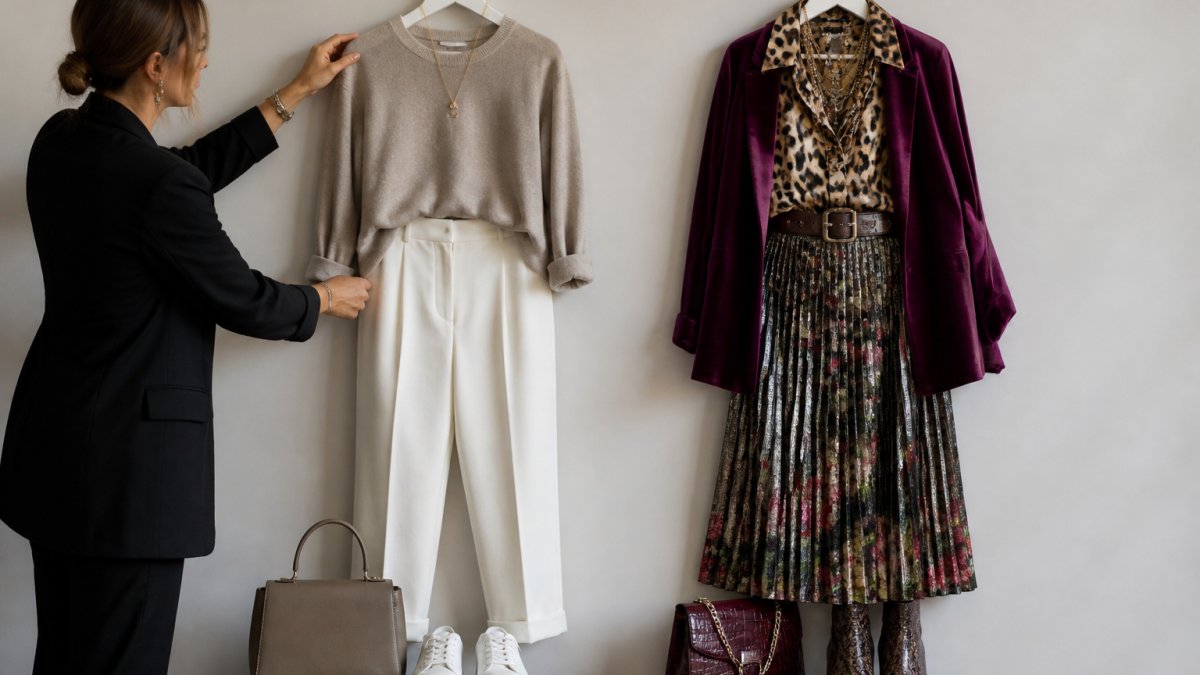
These aren't just aesthetic preferences. They represent fundamentally different ways of thinking about clothing, self-expression, and intentionality. One approach isn't inherently better than the other, but choosing the right one for you changes how you feel getting dressed every morning.
Defining Minimalism in Fashion
Minimalism in fashion centers on the principle of less is more. A minimalist wardrobe prioritizes clean lines, neutral color palettes, and versatile pieces that work together seamlessly. The goal is clarity over abundance.
A true minimalist aesthetic focuses on quality over quantity. Instead of owning dozens of items, a minimalist curates a smaller collection of essentials that can be mixed and matched endlessly. Think neutral sweaters, well-fitted jeans, crisp white shirts, and classic blazers.
Minimalism demands intentionality. Every piece serves a purpose. Every color coordinates with others. There's no visual clutter in the closet or in the outfit. This approach appeals to people who value simplicity, efficiency, and the confidence that comes from knowing exactly what works.
Defining Maximalism in Fashion
Maximalism embraces the opposite philosophy: more is more. A maximalist wardrobe celebrates abundance, bold statement pieces, and visual impact. Maximalists aren't afraid of clashing prints, vibrant colors, layering, and accessories that demand attention.
Where minimalists subtract, maximalists add. Sequins, fringe, texture mixing, and unexpected color combinations are features, not flaws. A maximalist outfit might pair a patterned blouse with printed trousers, add a textured jacket, and top it with statement jewelry. The goal is self-expression through visual abundance.
Maximalism is about personality. Your wardrobe becomes a curated collection that reflects your interests, moods, and creative vision. It's less about coordination and more about impact. This approach resonates with people who view fashion as art and clothing as a form of storytelling.
Minimalist Wardrobe Essentials: Building Your Foundation
A minimalist wardrobe requires strategic choices. You're not just buying fewer clothes; you're investing in pieces that earn their place through versatility and longevity.
Clean Lines and Neutral Color Palettes
The foundation of minimalist fashion rests on clean lines and a neutral color palette. Clean lines mean simple, unadorned silhouettes without excessive decoration or visual complexity. Neutral colors create a cohesive aesthetic where everything coordinates effortlessly.
Your minimalist color foundation typically includes black, white, gray, navy, beige, and cream. These colors don't compete for attention. They allow the silhouette and quality of construction to shine. When you add a pop of color, it becomes intentional rather than chaotic.
Clean lines extend beyond color. The Women's Ribbed High-Neck Long-Sleeve Pullover Sweater at $33.11 exemplifies this approach with its straightforward ribbed construction and solid color options.
Quality Over Quantity
Minimalism demands investment in quality. A minimalist buys fewer pieces but better pieces. This means natural fabrics, thoughtful construction, and timeless designs that won't feel dated in a season.
Quality garments last longer, fit better, and actually improve with age. A well-made neutral sweater becomes a wardrobe staple that works for years. The Round Neck Sweater Women's Pullover Sweater at $24.37 offers solid construction in multiple neutral tones, making it a reliable foundation piece.
When you own fewer items, each one must perform. This forces intentional purchasing decisions. You ask harder questions: Does this fit perfectly? Will I wear this regularly? Does it coordinate with what I already own? These questions naturally lead to higher-quality selections.
Maximalist Outfit Ideas: Embracing Abundance
Building a maximalist wardrobe is about abundance and layering. It's not chaotic; it's curated. A successful maximalist wardrobe requires understanding how to layer, mix patterns, and use accessories strategically.
Statement Pieces and Visual Impact
Maximalist fashion lives through statement pieces. A statement piece demands attention: a bold printed dress, a textured jacket, vibrant trousers, or dramatic jewelry. These pieces are the anchors of maximalist outfits.
The Women's Printed Sleeveless V-Neck Dress with Waist Tie and Ruffle Hem at $22.74 serves as a perfect maximalist statement piece. The asymmetric ruffle hem and visible waist tie create visual interest and personality. Pair it with heels and bold jewelry for evening impact, or wear it with sandals for a vacation-ready look.
Statement pieces work best when they're intentional. A maximalist doesn't throw on random bold items; they create outfits where statement pieces work together rather than compete. The key is choosing pieces that reflect your aesthetic even when they're visually loud.
Layering and Texture Mixing
Layering transforms maximalist outfits from simple to sophisticated. Texture mixing means combining different fabric weights and finishes in a single outfit. A smooth silk blouse under a chunky knit sweater. Matte cotton with shiny sequins. Soft cashmere with structured denim.
The Women's Buffalo Plaid Hooded Tunic Sweatshirt with Pockets at $22.89 demonstrates maximalist layering potential. Its buffalo plaid pattern and longline silhouette make it ideal for creating textured, visually interesting outfits. Pair it with solid-colored leggings and boots to let the plaid pattern shine, or layer it with other pieces for added complexity.

Maximalists understand that layering isn't just about warmth; it's about visual depth. Each layer contributes to the overall aesthetic. The interplay between different textures, patterns, and colors creates the visual abundance that defines maximalism.
How to Mix Patterns in an Outfit: A Practical Guide
Pattern mixing intimidates many people, but it's a core maximalist skill. The secret isn't avoiding clashing patterns; it's understanding which patterns work together.
Successful pattern mixing follows a few principles. First, vary the scale of patterns. Pair a large-scale floral print with a small geometric pattern. This creates visual interest without overwhelming the eye.
Women's Buffalo Plaid Hooded Tunic Sweatshirt with Pockets →
The Men's Relaxed-Fit Graphic T-Shirt with Chest Lettering and Back Print at $19.84 shows how graphic patterns can anchor a maximalist outfit.

Third, anchor pattern mixing with solid colors. A patterned top, patterned bottom, and solid jacket creates balance. The solid piece prevents the outfit from becoming visual chaos.
Pattern mixing is where maximalism gets creative. It's not about following rules; it's about understanding principles and then breaking them with intention.
Capsule Wardrobe for Every Style: Minimalist and Maximalist Approaches
Both minimalists and maximalists benefit from capsule wardrobe thinking. A capsule wardrobe is a curated collection of essential pieces that work together. The difference lies in what counts as "essential."
The Minimalist Capsule: Essential Staples
A minimalist capsule typically contains 30-40 pieces total. These pieces share a cohesive color palette and work together seamlessly. Your minimalist capsule might include:
- Five neutral tops (white, black, gray, navy, beige)
- Three pairs of pants (dark jeans, neutral trousers, black pants)
- Two sweaters in neutral tones
- One blazer in black or navy
- Neutral shoes (white sneakers, black flats, neutral boots)
- Minimal accessories (simple jewelry, one belt)
The minimalist capsule prioritizes versatility. Every piece works with multiple other pieces. You can create dozens of outfits from a small collection because everything coordinates. This approach saves time, money, and decision fatigue.
The Maximalist Capsule: Curated Collections
A maximalist capsule is larger, typically 50-80 pieces, and celebrates variety. Rather than everything coordinating, maximalist capsules include complementary collections. You might have a "bold prints" section, a "jewel tones" section, a "metallics" section.
The maximalist capsule still requires curation. You're not buying everything; you're building themed collections that reflect your aesthetic. You might own fifteen different patterned pieces, but they all share a common design language. They're all vintage-inspired, or all geometric, or all botanical.
A maximalist capsule demands more intentionality than random shopping. Every piece should belong to your curated vision. The Women's Printed Sleeveless V-Neck Dress with Waist Tie and Ruffle Hem at $22.74 fits into a maximalist capsule of statement dresses, each with distinctive details.

| Approach | Piece Count | Color Palette | Coordination | Goal |
|---|---|---|---|---|
| Minimalist | 30-40 | Neutral (3-5 colors) | Everything works together | Simplicity and versatility |
| Maximalist | 50-80+ | Bold and varied | Curated collections | Personal expression and impact |
Personal Expression and Silhouette: Finding Your Balance
Neither minimalism nor maximalism works if it doesn't suit your body and personality. The best wardrobe philosophy is the one that makes you feel confident.
Body Type Considerations
Silhouette matters in both approaches. A minimalist with a curvy body type might choose fitted neutral pieces that emphasize shape. A minimalist with a rectangular body type might choose oversized neutral pieces for dimension. The philosophy stays the same; the execution adapts.
Maximalists also need to consider silhouette. Bold patterns can overwhelm petite frames or emphasize areas you'd rather downplay. Layering works beautifully for some body types and creates unwanted bulk for others. The maximalist philosophy doesn't change, but the specific pieces you choose should flatter your silhouette.
The Women's Buffalo Plaid Hooded Tunic Sweatshirt with Pockets at $22.89 offers a longline silhouette that works for multiple body types. The length provides coverage while the bold plaid pattern allows for maximalist expression.
Sustainability and Intentionality
Both minimalism and maximalism can be sustainable. Minimalism is sustainable through longevity: fewer, better pieces last longer. Maximalism is sustainable through intentionality: buying pieces you genuinely love and wear rather than impulse purchases.
The sustainable maximalist approach means curating a collection of pieces that truly reflect your aesthetic. You're not following trends; you're building a personal style. You wear everything you own because it all aligns with your vision. This prevents the waste that comes from buying things you never wear.
Intentionality is the common thread. Whether you're minimalist or maximalist, the goal is choosing pieces consciously rather than accumulating randomly. This approach respects both your budget and the environment.
The In-Between: Blending Both Approaches
Most people don't fall neatly into either category. Many find success in a hybrid approach that borrows from both philosophies.
A hybrid wardrobe might include a minimalist foundation of neutral basics with maximalist statement pieces layered on top. You keep the efficiency and versatility of minimalism while adding the personality and visual interest of maximalism.
You might maintain a minimalist core of neutral staples but add bold accessories, patterned outerwear, or statement pieces. The neutral foundation ensures everything coordinates, but the statement pieces express your personality.
The key is intentionality. Whether you lean minimalist, maximalist, or somewhere in between, the goal is building a wardrobe that serves your life and reflects who you are.
Frequently Asked Questions
What is the difference between a minimalist wardrobe and maximalist style?
A minimalist wardrobe prioritizes clean lines, neutral color palettes, and a curated collection of versatile pieces that work together seamlessly. Maximalist style embraces abundance, bold patterns, layering, and statement pieces that showcase personality and visual impact. Minimalists focus on intentionality and clarity; maximalists celebrate abundance and self-expression through fashion.
Can you mix minimalist and maximalist fashion approaches?
Yes, many people adopt a hybrid approach. You can build a minimalist wardrobe foundation with neutral staples and then add maximalist elements through accessories, statement pieces, or seasonal trends. This blended strategy lets you maintain versatility while expressing your personality. For example, pair a simple neutral sweater with a bold patterned scarf or layered jewelry.
What are the benefits of a minimalist wardrobe?
A minimalist wardrobe saves time, money, and decision fatigue. With fewer, higher-quality pieces that coordinate easily, you can create multiple outfits without overthinking. This approach reduces waste, encourages sustainable shopping habits, and makes getting dressed effortless. Many busy professionals prefer minimalism because it simplifies morning routines while maintaining a polished appearance.
How can I tell whether minimalist or maximalist style suits me better?
Consider your lifestyle, personality, and how you feel in different outfits. If you prefer simplicity, efficiency, and a calm aesthetic, minimalism likely suits you. If you enjoy self-expression, experimenting with bold colors and patterns, and feeling energized by visual variety, maximalism may be your fit. Your body type, budget, and sustainability values also influence which approach works best for your everyday wardrobe.
Finding your style isn't about following rules; it's about understanding what makes you feel confident. Whether you're drawn to the clarity of minimalism or the expression of maximalism, building an intentional wardrobe that reflects your aesthetic transforms how you feel every day. Shop all our curated pieces at Hoss Style & Co and start building the wardrobe that's right for you.


