

Table of Contents
- Organic Cotton vs Regular Cotton: The Real Differences
- Why Is Organic Cotton More Expensive
- How Organic Cotton Is Grown and Why It Matters
- Is Organic Cotton Better for Sensitive Skin
- How to Identify Certified Organic Cotton
- Durability and Cost Per Wear: The Real Value Test
- When Organic Cotton Makes Sense, and When It Doesn't
- Frequently Asked Questions
Last Updated: October 6, 2026
Organic Cotton vs Regular Cotton: The Real Differences
When you're shopping for clothing, the choice between organic cotton and conventional cotton comes down to how they're grown and what ends up on your skin. Organic cotton is grown without synthetic pesticides, artificial fertilizers, or genetically modified seeds. Conventional cotton uses all three. That's the core difference, and it matters more than most people realize.
Here's what separates them in practice. Conventional cotton farming relies on chemical inputs to maximize yield. Organic cotton farming uses crop rotation, natural pest management, and compost. The result isn't just a different product, it's a different farming system entirely.
The soil tells the real story. Organic cotton farms build soil health over time. Conventional cotton farms deplete it. That changes how the plants grow, what residues end up in the fiber, and ultimately, how the clothing performs on your skin and in your closet.
Why Is Organic Cotton More Expensive
Organic cotton clothing costs more because organic farming requires more labor, lower yields, and higher certification costs. That's the headline.
Start with the fiber. Organic cotton typically yields less per acre than conventional cotton because it can't lean on synthetic fertilizer to push output. Lower yield per acre means a higher cost per pound of raw fiber, and that cost flows into every garment made from it.
Labor is the next layer. Organic farms often rely on manual pest management and hand-weeding instead of herbicides, which takes more people and more hours per acre.
Then there's the processing side. A garment certified to a strict organic textile standard has to be processed in facilities that meet rules on dyes, wastewater, and finishing, which usually means smaller batches, slower runs, and more expensive inputs than a conventional dye house.
What the Premium Actually Looks Like by Garment Type
A common pattern is that the organic premium is smallest on simple, high-volume basics and largest on complex garments. A plain organic cotton t-shirt might run roughly 20-50% more than a comparable conventional one, while a structured jacket or a garment with multiple fabric components can carry a much wider gap because every component has to meet the same standard.
Construction matters too. Two organic t-shirts at very different prices may both be certified, the difference is fabric weight, stitch density, seam finishing, and whether the brand is paying for traceability documentation. A heavier, better-constructed organic shirt can genuinely cost more to make than a lighter one, and that's not a markup, it's a different product.
The Hidden-Cost Argument, Stated Honestly
Conventional cotton externalizes some costs, water treatment, soil degradation, and long-term input dependency, that organic systems tend to internalize. That's a real economic difference, but it's also easy to overstate. The honest version is this: organic cotton bakes more of its true cost into the price tag, while conventional cotton pushes some of it downstream. Whether that makes organic "cheaper" depends entirely on whether you count those downstream costs, and reasonable people count them differently.
What you can do is compare like for like. Pick two shirts of similar weight and construction, one organic and one conventional, and divide each price by the number of wears you realistically expect. That's the only comparison that answers the question you actually asked.
How Organic Cotton Is Grown and Why It Matters
Organic cotton farming starts with soil. Instead of relying on synthetic fertilizers to feed plants, organic farmers build living soil through crop rotation and composting. Healthier soil means healthier plants, which means stronger fibers.
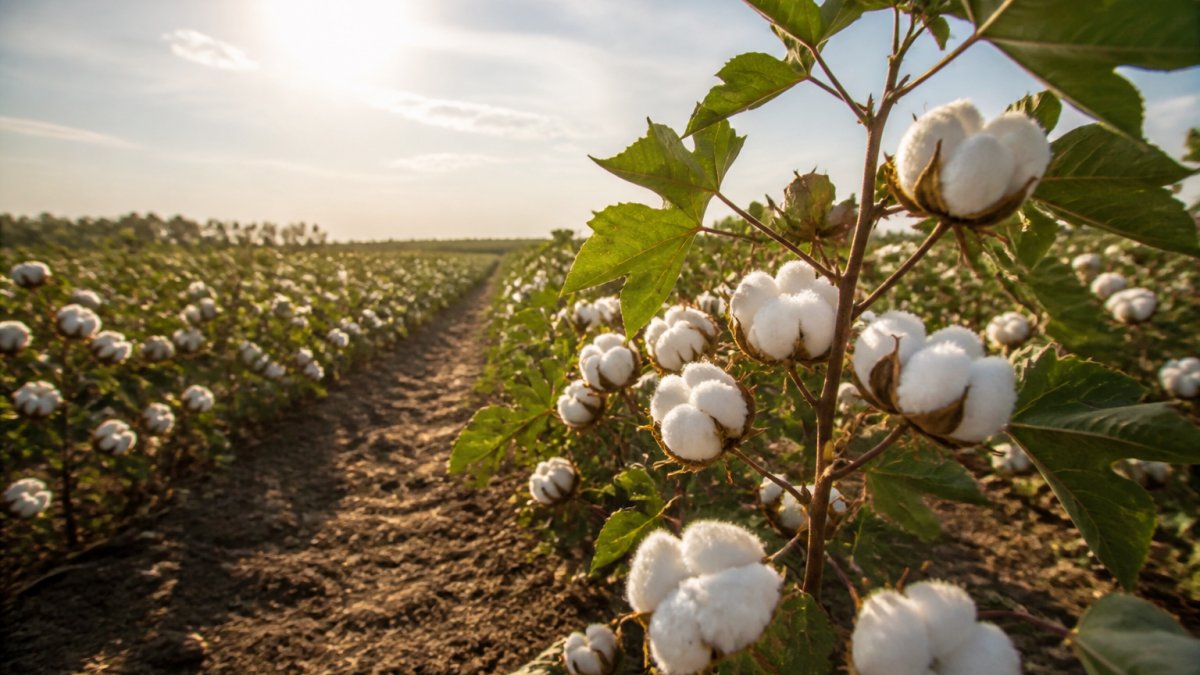
Pest management works differently too. Conventional farming sprays insecticides to kill cotton pests. Organic farming uses integrated pest management, introducing natural predators, rotating crops, and using botanical sprays when necessary. It's slower, but it keeps synthetic chemicals out of the ecosystem.
Water use is where the environmental impact becomes visible. Organic cotton farming typically uses less water overall because healthier soil retains moisture better. Conventional cotton, grown in depleted soil, needs more irrigation to compensate.
Soil Health and Biodiversity
Organic cotton farms support more diverse ecosystems. The absence of synthetic pesticides means insects, birds, and microorganisms thrive. Conventional cotton fields are often biological deserts by comparison, the chemicals kill pests, but they also kill everything else.
Soil biodiversity drives long-term farm productivity. Organic farms with diverse microbial communities produce better crops over decades. Conventional farms become dependent on increasing chemical inputs just to maintain yields as soil degrades.
Water Use and Pollution Reduction
Water pollution from conventional cotton farming comes from two sources: synthetic fertilizer runoff and pesticide residues. These chemicals leach into groundwater and surface water, affecting drinking water supplies and aquatic ecosystems. Organic farming eliminates this source of pollution entirely.
The water savings are real but often overstated. Organic cotton doesn't use dramatically less water per pound than conventional cotton, the advantage is in water quality, not just quantity. Cleaner water downstream is worth something, even if the volume difference is smaller than marketing suggests.
Is Organic Cotton Better for Sensitive Skin
This is where claims often exceed evidence. Organic cotton is better for sensitive skin in theory, but the science is more nuanced than most marketing suggests.
The logic is sound: organic cotton has no synthetic pesticide residues, so it should irritate sensitive skin less. In practice, several factors complicate this. First, most clothing goes through multiple wash cycles before you wear it, which removes most residues regardless of source. Second, the finishing chemicals applied after spinning (dyes, softeners, wrinkle treatments) matter as much as the fiber itself.
That said, people with very sensitive skin often report fewer issues with organic cotton clothing. Whether that's the cotton itself or the production practices that tend to accompany organic certification (gentler finishes, fewer chemical treatments) isn't always clear. The safest approach: if you have sensitive skin, try organic cotton, but also check the finishing process and dye methods used by the brand.
How to Identify Certified Organic Cotton
Not all organic cotton is certified, and not all certification is equal. The label is only useful if you know what the standard behind it actually verifies, and, just as importantly, what it doesn't.
What the Main Certifications Cover
The Global Organic Textile Standard (GOTS) is the most comprehensive certification you'll see on clothing.
OEKO-TEX standards focus on harmful substances in the finished textile. The most common one, STANDARD 100, tests for a list of regulated and non-regulated chemicals and is applied to the final product, not the farming method.
Fair Trade Certified focuses on the people in the supply chain, farmer and worker wages, working conditions, and community development premiums. It says nothing directly about whether the cotton is organic, though some products carry both certifications.
USDA Organic applies to agricultural products and, in the textile context, is most relevant to raw cotton fiber. It does not by itself certify a finished garment's processing or social conditions.
What Certifications Don't Cover
Even a strong certification has limits. GOTS covers the supply chain it can trace, but a brand can carry a GOTS-certified fabric and still finish the garment in a facility outside that scope if the final product isn't certified. A "made with organic cotton" claim is weaker than a "GOTS certified" claim on the finished garment, because the former may only apply to the fiber.
Certifications also don't guarantee durability, fit, or that the garment will feel good on your skin. They verify process and inputs, not performance.
How to Verify a Claim
Look for the certification body's name and, where available, a license number or certificate ID. Most certifiers maintain online databases where you can look up a brand or facility by name. If a brand says "organic" but lists no certifier, no license number, and no traceable supply chain, treat the claim as unverified.
A practical shortcut: check the brand's product page for a certification logo with a number, then search that number on the certifier's site. If it resolves to the brand or its manufacturer, the claim is real. If it doesn't, ask the brand directly, a legitimate one will have the documentation.
Durability and Cost Per Wear: The Real Value Test
This is where organic cotton worth cost calculations actually matter. A $60 organic cotton shirt that lasts three years is cheaper per wear than a $30 conventional cotton shirt that falls apart in a year.
Organic cotton tends to be more durable for one simple reason: it comes from healthier plants grown in healthier soil, which produces stronger fibers. That translates to garments that hold up better through washing and wearing.
Calculate cost per wear honestly. If you wear a shirt 100 times before it fades or falls apart, that's 60 cents per wear for the expensive organic option versus $1 per wear for the cheaper conventional option. The math flips.
This assumes you actually wear the garment that many times. If you buy something and wear it twice, the cost-per-wear advantage disappears. Durability only matters if you use the item.
When Organic Cotton Makes Sense, and When It Doesn't
Organic cotton makes sense when you're buying basics you'll wear frequently, t-shirts, underwear, socks, everyday pants. These items justify the premium because you'll get hundreds of wears out of them.
Organic cotton makes less sense for trendy pieces you'll wear a few times before moving on, or for items you're buying purely for novelty.
It also makes sense if you have sensitive skin or allergies. The reduced chemical exposure can genuinely improve comfort. For most people with typical skin, the difference is minimal.
Consider your climate and how often you wash. In hot, humid climates where you sweat more and wash clothes frequently, the durability advantage of organic cotton is larger.
Budget matters too. If you're building a wardrobe on a tight budget, conventional cotton gets you more pieces.
Building a wardrobe that balances quality and value means making deliberate choices about where to spend more.
| Consideration | Organic Cotton | Conventional Cotton |
|---|---|---|
| Cost upfront | Higher | Lower |
| Cost per wear (3+ years) | Lower | Higher |
| Durability | Stronger fibers | Standard |
| Sensitive skin benefit | Potential | Minimal |
| Environmental impact | Lower | Higher |
| Certification available | GOTS, Fair Trade | Limited |
Frequently Asked Questions
What's the difference between organic cotton vs regular cotton?
Organic cotton is grown without synthetic pesticides, fertilizers, or genetically modified seeds. Conventional cotton uses chemical inputs throughout production. The key difference: organic farming builds soil health and avoids chemical residues on the final fabric, while conventional cotton production prioritizes yield and cost efficiency. Both are 100% cotton fiber, but the growing methods and environmental footprint differ significantly.
Why is organic cotton more expensive?
Organic certification requires third-party verification and stricter farming practices, which increase production costs. Organic farms typically yield less per acre than conventional farms treated with synthetic fertilizers, raising per-unit costs. Supply chains for certified organic cotton are smaller and less efficient than conventional networks. Additionally, labor practices in organic farming often meet higher ethical standards, which adds to the final price of the garment.
Is organic cotton better for sensitive skin?
Organic cotton may reduce irritation because it contains fewer chemical residues from pesticides and synthetic dyes. However, the fabric itself is not inherently different, sensitivity depends on the weave, dye quality, and finishing treatments as much as fiber origin. People with severe skin conditions should test any new fabric regardless of whether it's organic. Certified organic doesn't guarantee hypoallergenic properties; look for low-impact dyes and gentle finishing processes alongside organic certification.
How do I know if cotton clothing is really certified organic?
Look for third-party certifications like GOTS (Global Organic Textile Standard) or OEKO-TEX on labels or product descriptions. Legitimate certified organic clothing will display the certification mark and provide a certificate number you can verify. Avoid vague claims like 'made with organic cotton' without certification, this often means only part of the garment meets organic standards. Check the brand's website for supply chain transparency and certification details before purchasing.


