

Table of Contents
- Why Quality vs Price Matters More Than You Think
- The Real Drivers Behind Clothing Prices
- How to Identify High Quality Clothing Beyond the Price Tag
- Fast Fashion vs Sustainable Fashion: The Hidden Costs
- Cost-Per-Wear Formula: Reframing the Quality Conversation
- Consumer Perception, Deceptive Marketing, and Real Value
- Conclusion: Building a Wardrobe That Works for Your Budget
Last Updated: August 9, 2026
Why Quality vs Price Matters More Than You Think
The relationship between quality and price in fashion isn't straightforward. A higher price tag doesn't guarantee durability, and a lower one doesn't automatically mean poor construction. Understanding this distinction is critical because most shoppers operate on incomplete information, making purchases based on brand names, trends, or budget constraints rather than actual garment quality.
This matters because the average person spends thousands annually on clothing. If you're buying pieces that fall apart after a few wears, you're wasting money regardless of the initial price point. Conversely, overpaying for brand prestige when comparable quality exists at lower prices means you're funding marketing budgets, not better fabrics or construction.
At Hoss Style & Co LLC, we've observed that the smartest shoppers aren't necessarily the richest ones, they're the ones who understand what actually determines longevity. They know how to spot quality signals that most people miss, and they recognize when they're paying for perceived value rather than actual durability. The quality versus price conversation ultimately comes down to making informed decisions about where your money actually goes.
According to research from the Council of Fashion Designers of America, consumers increasingly want transparency about what they're buying. Yet most retail environments don't provide the information needed to make truly informed choices. This gap between what shoppers need to know and what's actually available creates opportunities for those willing to dig deeper.
The Real Drivers Behind Clothing Prices
Clothing prices reflect far more than just the cost to produce a garment. Understanding these layers helps you decode why two seemingly similar items carry vastly different price tags.
Manufacturing Costs and Supply Chain Transparency
The actual production cost of a garment, the fabric, labor, and overhead, typically represents only 15-30% of the retail price. A $100 shirt might cost $15-30 to manufacture, but that's only one component of the final price you pay.
Where a garment is made significantly impacts this figure. Production in countries with lower labor costs reduces manufacturing expenses, but this doesn't automatically signal poor quality. A well-made shirt produced in Vietnam can outlast a poorly constructed one made domestically. The difference lies in the factories themselves, their quality control processes, and the materials sourced.
Supply chain transparency has become increasingly important because it reveals whether corners were cut to hit a price point. Brands that openly share where and how their clothing is made tend to invest in better quality assurance processes. This transparency costs money, tracking systems, audits, and compliance documentation, which gets reflected in the price. Conversely, brands that keep their supply chains opaque often do so because they're cutting costs in ways they'd rather not disclose.
Brand Markup and Market Positioning
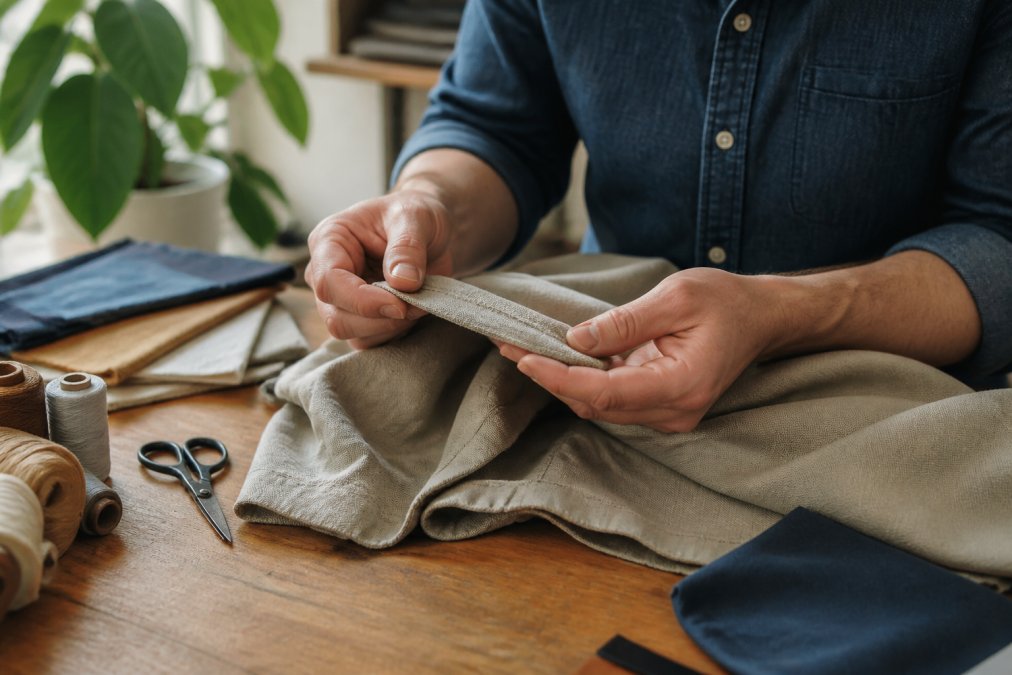
Brand markup is the premium you pay for the name on the label. Luxury brands often apply 8-12x markups on their cost of goods sold. A luxury jacket costing $50 to produce might retail for $500-600. Mid-range brands typically use 2-4x markups, while value brands operate on 1.5-2x markups.
This markup funds marketing, store overhead, and brand prestige. It doesn't necessarily fund better materials or construction. A designer brand's premium often pays for advertising campaigns, celebrity endorsements, and the retail experience rather than superior garment quality. Understanding this distinction is crucial because it means you can find equivalent quality at significantly lower prices by shopping outside premium brand ecosystems.
Market positioning also determines pricing strategy. A brand targeting luxury consumers prices higher to maintain exclusivity and perception of quality. A brand targeting budget-conscious shoppers prices lower to maximize volume. Neither approach inherently produces better or worse clothing, it's simply positioning strategy. Where problems arise is when brands use premium pricing to suggest superior quality when the actual construction doesn't support that claim.
How to Identify High Quality Clothing Beyond the Price Tag
Price is a poor quality indicator because it's influenced by so many factors unrelated to durability. Learning to assess actual garment quality requires understanding what makes clothing last.
Fabric Durability and Material Selection
Natural fibers, cotton, linen, wool, silk, generally age better than synthetics, but this isn't absolute. A high-quality synthetic blend can outlast poor-quality natural fiber. What matters is the fiber content combined with how tightly the fabric is woven.
Weight matters. A heavier fabric typically indicates more fiber density, which translates to durability. Hold a garment and feel its substance. Thin, flimsy fabric will pill and wear through quickly regardless of fiber type. Dense, substantial fabric resists pilling and maintains its shape through repeated wear and washing.
Look at the fabric label. Quality brands specify their materials precisely, "100% cotton" or "85% wool, 15% nylon", while cheaper brands sometimes use vague descriptions. The specificity suggests quality control standards are in place. Also check for certifications like OEKO-TEX or Global Organic Textile Standard, which indicate the fabric has been tested for harmful substances and durability.
Synthetic blends serve a purpose. A 5-10% elastane blend in cotton creates stretch that improves comfort and fit recovery. But high synthetic percentages, especially polyester-heavy blends, often signal cost-cutting. These fabrics don't breathe well, pill easily, and degrade faster than natural fibers.
Garment Construction and Stitching Quality
Stitching quality is the single most reliable indicator of overall construction. Run your fingers along seams. Stitches should be tight, even, and small. Loose, uneven, or widely-spaced stitches indicate rushed production and will fail under normal wear.
Count the stitches per inch if you can see them clearly. Quality garments typically have 8-10 stitches per inch. Fewer stitches per inch means the seam is weaker and will separate faster. More stitches per inch (12+) indicates meticulous construction.
Check seam finishes. Quality garments finish their seams to prevent fraying and unraveling. Look for French seams, flat-felled seams, or bound seams, these are labor-intensive but dramatically improve longevity. Unfinished seams that simply stop at the fabric edge will fray with washing.
Examine hems. Quality hems are stitched with multiple passes and use thread that matches or complements the garment. Sloppy, single-pass hems or thread that contrasts sharply with the fabric suggest poor quality control.
Check buttonholes and button attachment. Buttons on quality garments are sewn through reinforcement patches on the inside, distributing stress and preventing button loss. Buttonholes should be neatly finished with reinforced edges. Sloppy buttonholes tear easily.
Finishing Details That Signal Longevity
Finishing details reveal whether a brand sweated the small stuff. Quality garments have consistent finishes throughout, no loose threads, no inconsistent hemming, no visible manufacturing defects.
Check the inside of the garment. Quality brands finish the inside as carefully as the outside because they understand that durability depends on every layer. Rough, unfinished interior seams catch on skin and wear faster.
Look at how straps, cuffs, and collars are attached. Are they reinforced at stress points? Do they use multiple layers of fabric to distribute wear? These details cost more to produce but dramatically extend garment life.
Examine zipper quality. Cheap zippers jam, break, and separate. Quality zippers from brands like YKK or Riri glide smoothly and last for years. The zipper brand itself is often visible, quality brands don't hide this detail.
Check for pocket reinforcement. Pockets experience significant stress, especially in pants. Quality garments reinforce pocket corners with small triangular stitches or bar tacks. This prevents the pocket from tearing away from the garment body.
Fast Fashion vs Sustainable Fashion: The Hidden Costs
The fast fashion model prioritizes speed and volume over durability. Garments are designed to be replaced frequently, not kept for years. This creates a false economy where cheap initial prices hide the true cost of constant replacement.
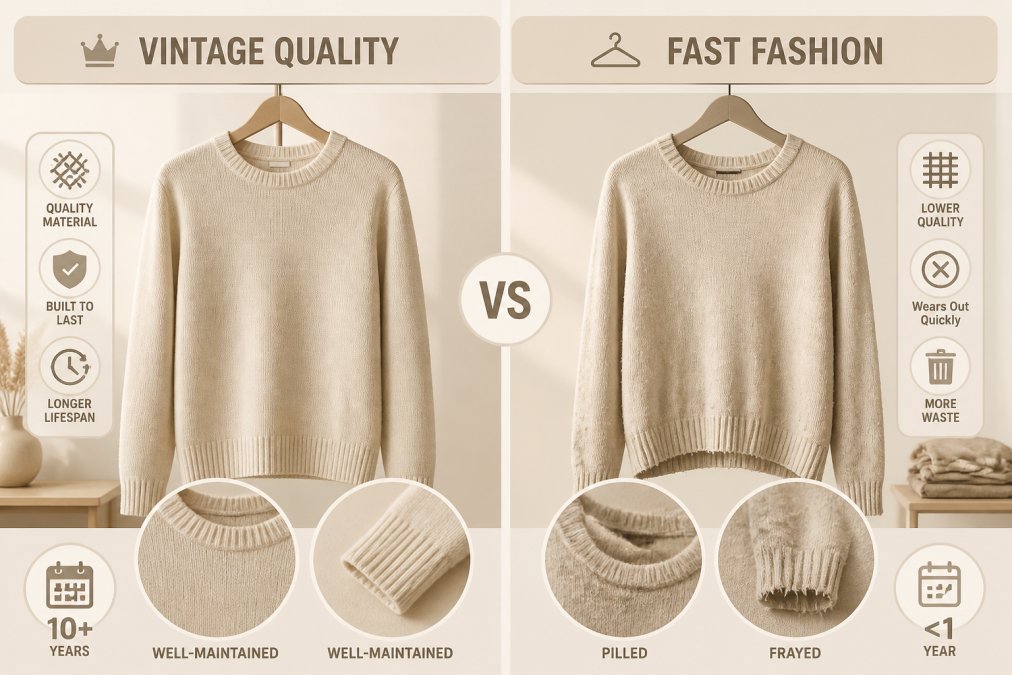
Fast fashion retailers release new collections every few weeks, creating pressure to buy constantly. The garments are intentionally trendy rather than timeless, encouraging disposal and replacement. Fabric quality is deliberately compromised to hit price points. Seams use fewer stitches. Finishes are minimal. These pieces often fail within 10-20 wears.
Sustainable fashion takes the opposite approach. Garments are designed for longevity with timeless aesthetics. Materials are sourced responsibly, often with documented supply chains. Construction emphasizes durability through quality stitching, reinforced stress points, and finished seams. The initial price is higher because better materials and labor cost more.
The environmental and financial costs of fast fashion extend beyond the purchase price. Landfills fill with discarded clothing. Water resources deplete from manufacturing. Labor exploitation remains common in fast fashion supply chains. Each of these externalities represents real costs, they're simply shifted away from the consumer and onto communities and ecosystems.
Sustainable fashion doesn't require luxury pricing. Many sustainable brands operate at mid-range prices because they're not funding massive marketing budgets or retail overhead. They're investing in better materials and construction instead. A $80 sustainable garment often outlasts a $25 fast fashion piece by 5-10x, making the true cost-per-wear dramatically lower.
Cost-Per-Wear Formula: Reframing the Quality Conversation
The cost-per-wear calculation transforms how you think about clothing purchases. Instead of focusing on initial price, you calculate the true expense by dividing the purchase price by the number of times you'll realistically wear the garment.
The formula is simple: Purchase Price ÷ Expected Number of Wears = Cost Per Wear
A $100 garment worn 100 times costs $1 per wear. A $50 garment worn 20 times costs $2.50 per wear. The cheaper item actually costs more in real terms.
This framework reveals why quality matters. A $200 jacket worn 200 times over five years costs $1 per wear. A $60 jacket worn 30 times over one year before falling apart costs $2 per wear. The expensive jacket is actually cheaper.
Most people dramatically underestimate how many times they'll wear quality pieces. A well-made basic shirt worn 2-3 times per week for several years easily reaches 150+ wears. A fast fashion equivalent might reach 20-30 before quality degradation makes it unwearable.
To use this formula effectively, be honest about your wearing patterns. Don't assume you'll wear something 200 times if your actual wardrobe history shows you wear most items 30-50 times. Also consider whether a piece fits your lifestyle. A formal dress worn once per year won't accumulate high wear counts. A basic t-shirt worn multiple times per week will.
Quality pieces also maintain their appearance longer. A garment that fades, pills, or stretches after 20 wears effectively reaches its end-of-life much faster than the wear count suggests. A well-made piece maintains its appearance for 100+ wears, extending the true usable lifespan.
Consumer Perception, Deceptive Marketing, and Real Value
Marketing creates perception that often diverges from reality. Brands spend heavily to convince consumers that higher prices equal better quality, even when the actual construction doesn't support this claim.
Common deceptive tactics include using premium materials in visible areas while cutting corners in hidden construction. A garment might feature luxury fabric on the exterior but use poor-quality thread and sparse stitching in the seams. The initial impression is premium, but durability is compromised.
Vague sustainability claims ("eco-friendly," "natural," "responsible") without certification or transparency suggest marketing rather than genuine commitment. Brands making real sustainability investments typically provide specific information about materials, sourcing, and production practices. Vague claims often mask standard production practices being repackaged as environmentally conscious.
Brand heritage stories can obscure actual current practices. A brand that was founded on quality principles decades ago might have outsourced production to cost-cutting facilities without changing its messaging. The story sells the perception of quality while actual garments deteriorate.
Celebrity endorsements and influencer partnerships create false associations between the person wearing something and the product's quality. A celebrity wearing a brand doesn't indicate the garment will last longer or fit better, it indicates the brand has a large marketing budget.
Understanding these tactics helps you ignore marketing noise and focus on actual quality indicators. Look for brands that provide transparent information about materials, construction, and sourcing. Examine garments directly rather than relying on marketing imagery. Read reviews from people who've owned items for extended periods rather than initial reviews from people excited about new purchases.
Real value emerges when initial price, expected lifespan, and actual construction align. A brand charging premium prices while using poor construction offers terrible value. A brand charging mid-range prices with excellent construction offers outstanding value. Price alone never tells the story.
The quality versus price conversation ultimately requires moving beyond price tags and marketing claims. By understanding the drivers behind clothing costs, learning to identify actual quality signals, and calculating true cost-per-wear, you can make purchases that align with your budget and values. Hoss Style & Co LLC focuses on this exact principle, offering thoughtfully curated pieces designed for longevity and everyday versatility, with the transparent information and reliable shipping you need to shop with confidence. When you prioritize actual quality over perceived value, your wardrobe becomes an asset rather than a constant expense.
Frequently Asked Questions
What is the cost-per-wear formula and how does it change the quality vs. price debate?
Cost-per-wear divides the price of a garment by the number of times you'll wear it. A $100 jacket worn 200 times costs $0.50 per wear, while a $30 shirt worn 10 times costs $3 per wear. This calculation shifts focus from initial price to actual value. High-quality pieces often have lower cost-per-wear because they last longer and stay in rotation, making them smarter investments than cheap items you wear once or twice.
How can you tell if a clothing item is high quality without looking at the price tag?
Examine fabric weight and feel, quality garments use natural textiles like cotton, wool, or linen that feel substantial. Check seams for tight, even stitching with no loose threads. Look at hems, cuffs, and collar finishing; premium pieces have reinforced seams and hidden stitching. Test zippers and buttons for smooth operation. Inspect fabric construction for tight weaves without pilling. These tangible markers reveal quality regardless of price or brand name.
Why does modern clothing feel cheaper than vintage items?
Vintage garments often used higher-quality natural fibers, tighter construction methods, and stricter quality control standards. Modern mass production prioritizes speed and cost reduction, often substituting synthetic fibers, thinner fabrics, and looser stitching. Planned obsolescence in fast fashion deliberately designs items for short lifespans. Additionally, vintage pieces that survived decades have already proven their durability, the fragile items didn't make it to today, creating a selection bias toward quality.
Does a higher price tag always guarantee better fabric quality?
No. Price reflects brand equity, marketing, retail markup, and supply chain costs as much as material quality. Luxury brands charge premium prices partly for heritage and positioning, not just fabric. Conversely, some affordable brands source excellent materials and construct garments well. The key is learning to evaluate fabric and construction yourself rather than trusting price as the sole indicator. Compare actual materials and construction methods across price points to find true value.
This article was written using GrandRanker


