

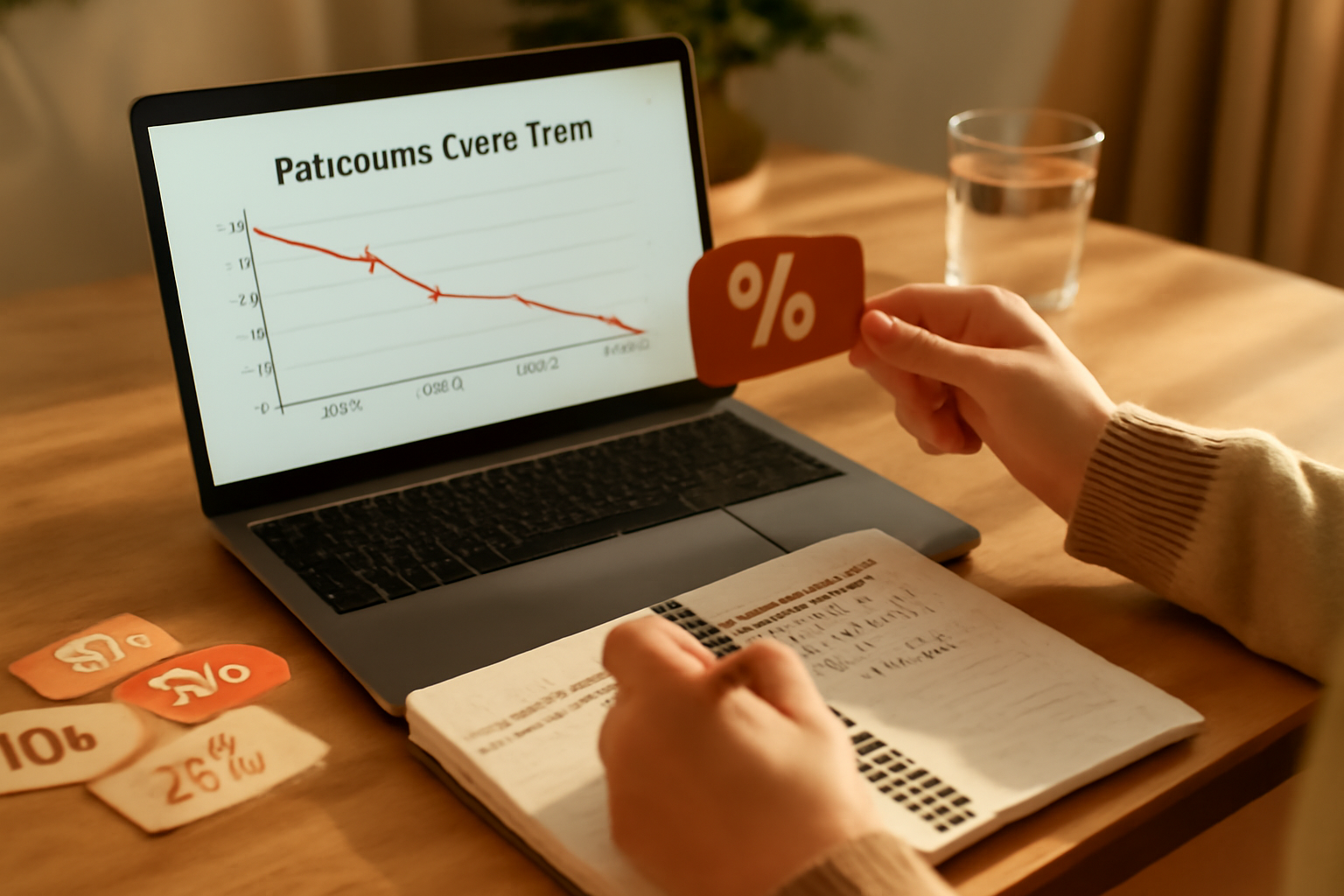
In today's fast-paced shopping environment, keeping track of discounts over time can be a game changer. Whether you're shopping for everyday essentials or looking for that perfect outfit, understanding how prices fluctuate can help you make informed decisions and maximize your savings opportunities. discount challenges.
This guide will walk you through the steps necessary to effectively track discounts, ensuring you never miss out on a great deal again. From simple techniques to handy tools, you'll be equipped to navigate the world of sales and discounts with confidence.
Table of Contents
Step 1: Set Your Goals
Before you dive into tracking discounts, it's important to define what you want to achieve. Are you looking to save on specific categories like women's clothing collection or athletic compression wear? Or perhaps you want to monitor prices for a particular brand of nursing socks for comfort? Establishing your goals will help you focus your efforts.
Step 2: Choose Your Tools
Several tools can assist in tracking discounts effectively. Here are a few options to consider: budget-friendly shopping.
Manual Tracking
Using a simple spreadsheet can be a straightforward way to monitor prices over time. Create columns for the product name, original price, discounted price, and date of the discount. This method may take more time but allows for personalized tracking.
Price Tracking Websites
There are numerous websites and apps that specialize in tracking product prices and notifying you of drops. These platforms can provide historical price data, helping you understand trends and make informed purchases. Popular options include CamelCamelCamel for Amazon products and Honey for general tracking.
Step 3: Monitor Price Changes
Once you've selected your tracking method, it's time to start monitoring. Be vigilant about recording prices regularly. If you're using a spreadsheet, update it at least once a week. For automated tools, set up alerts to notify you whenever there's a price drop on the products you're interested in.
Common Mistakes to Avoid
- Not Tracking Regularly: Inconsistent tracking can lead to missed opportunities. Make it a habit to check prices frequently.
- Ignoring Seasonal Sales: Be aware of seasonal promotions and events that often feature significant discounts.
- Overlooking Shipping Costs: Always factor in shipping when calculating overall savings, as it can affect your final price.
Step 4: Analyze Your Data
After a period of tracking, analyze your data to identify patterns. Look for trends in pricing-do certain products always go on sale at specific times, or do discounts appear more frequently for certain items like compression socks for men? Understanding these trends can help you anticipate future sales.
To effectively analyze your data, follow these steps:
1. Organize Your Data
Begin by compiling your tracked data into a manageable format. Use a spreadsheet to log the following details:
- Product Name: Clearly label each item.
- Original Price: Note the regular price before any discounts.
- Discounted Price: Record the sale price during discount periods.
- Discount Percentage: Calculate the difference to determine the discount percentage.
- Sale Dates: Mark the dates when discounts were applied.
- Season or Event: Identify if the sale coincided with a holiday or special event.
2. Identify Patterns and Trends
Once your data is organized, look for patterns:
- Seasonal Trends: Do certain items go on sale during specific seasons? For example, winter apparel may see discounts in early spring.
- Frequency of Discounts: How often do discounts occur for particular products? Track items like men's jackets or women's shoes to see if they are frequently discounted.
- Price Fluctuations: Note if the prices of certain items fluctuate significantly over time, indicating potential for better deals.
3. Create Visual Representations
Visual aids can help clarify trends and make your analysis easier to understand:
- Graphs and Charts: Create line graphs to illustrate price changes over time or bar charts to compare discount percentages across products.
- Heat Maps: Use heat maps to show the frequency of discounts over specific time periods, highlighting when the best deals are likely to occur.
4. Evaluate Your Findings
After analyzing the data, evaluate your findings to draw actionable insights:
- Best Times to Buy: Determine the optimal times to purchase specific items based on your analysis. For instance, if compression socks for men are frequently discounted in November, plan your purchases accordingly.
- Stock Up on Sale Items: If certain products consistently go on sale, consider buying in bulk during those times. This strategy can save you money in the long run.
- Adjust Future Tracking: Based on your analysis, refine your tracking methods to focus on products or timeframes that yield the most valuable insights.
5. Common Mistakes to Avoid
While analyzing your data, be mindful of these common mistakes:
- Neglecting Seasonal Variations: Failing to account for seasonal variations can lead to missed opportunities for savings.
- Ignoring Outliers: Don't dismiss outlier data points as irrelevant; they may indicate unique sales opportunities.
- Inconsistent Tracking: Ensure consistency in your data tracking methods to avoid skewed results. Regularly update your records to maintain accuracy.
By carefully analyzing your data, you can gain valuable insights that help you track discounts over time more effectively. This knowledge empowers you to make informed purchasing decisions and seize the best deals available.
Step 5: Timing Your Purchases
With your analysis in hand, you can make smarter purchasing decisions. Timing is crucial. If you notice a product you want typically drops in price during a particular month, plan your purchases accordingly. Utilize your tracking data to strike when the price is right.
Understanding Seasonal Trends
Many products experience seasonal pricing trends. For example, winter clothing often goes on sale at the end of the season in February or March, while summer gear may drop in price around August. By understanding these patterns, you can maximize your savings. Consider the following steps:
- Identify the product categories you are interested in.
- Research historical pricing data for these categories to determine when prices typically drop.
- Note any major holidays or sales events (like Black Friday or end-of-season sales) that often trigger discounts.
Using Price Alert Tools
Price alert tools can be invaluable in helping you time your purchases. These tools notify you when a product's price drops to your desired level. Here's how to set them up:
- Choose a reliable price tracking website or app.
- Create an account and input the products you wish to monitor.
- Set your target price for each item. Be realistic based on your previous tracking data.
- Enable notifications via email or app alerts to stay updated on price changes.
Creating a Purchase Calendar
To effectively time your purchases, consider creating a purchase calendar. This calendar can help you plan your shopping around anticipated discounts. Follow these steps to create one:
- Start with a blank calendar, either digital or paper.
- Mark key sales dates based on your research (e.g., holidays, seasonal changes).
- Include any historical data about when specific items go on sale.
- Regularly update the calendar with new information as you continue to track prices.
Common Mistakes to Avoid
While timing your purchases can lead to significant savings, there are common pitfalls to be aware of:
- Ignoring Trends: Failing to recognize seasonal trends can lead to missed opportunities for discounts.
- Rushing Purchases: Don't purchase an item just because it's on sale. Ensure it's a product you truly need and that the price is genuinely a good deal.
- Neglecting Price Comparisons: Always compare prices across multiple retailers even when you think you've found a good deal. Prices can vary significantly.
By incorporating these strategies into your shopping habits, you can effectively time your purchases and maximize your savings over time. Remember, the key is to stay informed and be patient, waiting for the right moment to make your purchase.
Step 6: Share Your Findings
Sharing your discount findings with friends or online communities can enhance your tracking experience. Others may have insights or tips that can further improve your strategies. Engaging with fellow bargain hunters can turn discount shopping into a fun and collaborative effort.
To maximize the benefits of sharing your findings, consider the following practical steps:
1. Utilize Social Media Platforms
Social media is an excellent way to share your discount tracking experiences. Platforms like Facebook, Twitter, and Instagram allow you to connect with a broad audience. Here's how to effectively use them:
- Create a dedicated group: Start a Facebook group focused on discount tracking and shopping tips. Invite friends and family to join and encourage them to share their own finds.
- Use hashtags: On platforms like Twitter and Instagram, use relevant hashtags such as #DiscountTracking, #BargainHunting, or #DealOfTheDay to reach a wider audience.
- Share visuals: Post screenshots of discounts, charts of price changes, or even videos explaining your tracking process to engage your followers.
2. Participate in Online Forums
Online forums and communities, such as Reddit or specialized discount forums, are great places to share your findings. Engage with others by:
- Joining relevant subreddits: Subreddits like r/frugal or r/discounts allow you to share your experiences and learn from others.
- Contributing to discussions: Don't just share your findings; engage in conversations. Ask questions, provide answers, and offer your insights based on your tracking experiences.
- Creating detailed posts: Write comprehensive posts detailing your discount tracking methods, including tools you use, tips for success, and examples of significant savings.
3. Start a Blog or Vlog
If you enjoy writing or creating videos, consider starting your own blog or YouTube channel focused on discount tracking. This can help you:
- Build a personal brand: Share your unique voice and style while establishing yourself as an authority in discount shopping.
- Document your journey: Regularly update your audience on your discount tracking progress, including successes and failures, to create a relatable narrative.
- Engage with your audience: Encourage comments and feedback on your posts, fostering a community of like-minded individuals.
4. Host a Discount Tracking Challenge
Creating a challenge can motivate you and others to actively participate in tracking discounts. Here's how to set one up:
- Define the challenge: Set clear objectives, such as finding the best discount on a specific product within a month.
- Set rules: Outline how participants can track their findings, share updates, and report their successes.
- Offer incentives: Consider providing small prizes or recognition for the best finds to encourage participation.
5. Network with Local Discount Stores
Engaging with local discount stores can provide valuable insights and opportunities. Here's how to connect:
- Visit local stores: Talk to store managers or employees about their discount strategies and any upcoming sales or promotions.
- Attend community events: Participate in local events or fairs where discount stores are present to learn more about their offerings and share your findings.
- Collaborate on promotions: Propose collaborations where you can promote their discounts in exchange for exclusive deals for your followers.
By sharing your discount tracking findings, you not only enhance your own experience but also contribute to a community of savvy shoppers. The insights and strategies you exchange can lead to better deals for everyone involved, making discount shopping a more rewarding endeavor.
Checklist for Effective Discount Tracking
- Set clear goals for what you're tracking.
- Choose a tracking method that fits your style.
- Update your price records regularly.
- Analyze trends to optimize your buying decisions.
- Factor in all costs, including shipping.
- Engage with others to enhance your strategies.
By following these steps, you'll become adept at tracking discounts over time, making informed decisions that lead to significant savings. Remember, whether you're looking for compression socks for women, discounted products, or any other items, the key is consistency and analysis.
As a next step, start implementing your tracking system today and watch how much you can save on future purchases!


