

Table of Contents
- What Sustainable Fashion Actually Means (And Why It Doesn't Have to Cost More)
- Cost Per Wear Calculation: The Math That Justifies Quality Basics
- Sustainable Fashion Tips for Beginners: Start Small, Build Smart
- Building Your Capsule Wardrobe Guide on a Real Budget
- Thrifting and Second-Hand Shopping: Where to Find Quality Pieces for Less
- Natural Fibers vs. Synthetic Materials: Making Durable Choices That Last
- Repair, Mending, and Resale: Extending Your Wardrobe's Life and Value
- Conclusion
Last Updated: August 30, 2026
What Sustainable Fashion Actually Means (And Why It Doesn't Have to Cost More)
Sustainable fashion for every budget means making intentional choices about what you buy, how long you keep it, and where it comes from. At Hoss Style & Co, we've watched people assume ethical clothing costs three times what fast fashion does, that's the biggest myth holding people back from building wardrobes they feel good about.
The core is simple: buy fewer pieces, choose quality over quantity, and keep them longer. This approach actually saves money compared to constantly replacing cheap items that fall apart after a few washes. Sustainable fashion encompasses ethical labor practices, environmentally responsible manufacturing, natural fibers, and supply chain transparency. You don't need to overhaul your entire wardrobe overnight or spend a fortune on organic basics. Building a sustainable wardrobe on a real budget is about making smarter decisions with the money you're already spending.
The difference between sustainable and fast fashion comes down to intention. Fast fashion prioritizes speed and volume, getting new trends in stores weekly at cheap prices, expecting them to fall apart. Sustainable fashion prioritizes durability and transparency, with items designed to last years, made by fairly paid workers, with traceable supply chains. A shirt that lasts two years creates far less waste than buying ten shirts that each last three months.
Cost Per Wear Calculation: The Math That Justifies Quality Basics
Cost per wear is the single most useful metric for evaluating whether a piece is a good investment. Divide the price by the number of times you'll realistically wear it. A $50 item worn 100 times costs $0.50 per wear. A $15 item worn twice costs $7.50 per wear.
This calculation flips conventional shopping logic. Expensive items aren't wasteful if you wear them. Cheap items are wasteful if they sit unworn or fall apart after a few washes. A basic modal pair of trousers from Hoss Style & Co costs $16.89. Worn twice weekly for two years, that's roughly 104 wears, or about $0.16 per wear. Compare that to a $12 fast fashion pair that pills after five wears: $2.40 per wear. The "cheaper" option is actually seven times more expensive over time.
| Item | Price | Estimated Annual Wears | Years Worn | Total Wears | Cost Per Wear |
|---|---|---|---|---|---|
| Quality modal trousers | $16.89 | 52 | 3 | 156 | $0.11 |
| Fast fashion trousers | $12.00 | 20 | 0.5 | 10 | $1.20 |
| Denim shorts (Hoss Style & Co) | $28.99 | 40 | 2 | 80 | $0.36 |
| Budget denim shorts | $18.00 | 15 | 1 | 15 | $1.20 |
This framework is especially powerful for capsule wardrobe building. When working with a limited budget, every piece must work harder. Cost per wear ensures you're choosing items that earn their place in your closet.

Sustainable Fashion Tips for Beginners: Start Small, Build Smart
Starting a sustainable wardrobe requires one decision: your next purchase will be more intentional than your last.
Audit your current closet. Wear everything for one month and pay attention to what you actually reach for. Items you wear repeatedly are your winners, proof you like the style, fit, and feel. Items you skip are telling you something: the fit is off, the color doesn't work with other pieces, or the quality isn't there.
Once you know what works, shop intentionally. Look for pieces that coordinate with what you already own. A white tee from Hoss Style & Co at $26 or less becomes a foundation piece if you have five other items it works with.
Quality basics are your foundation: a well-made white tee, dark jeans, neutral trousers, and a simple sweater. These should last years and work with almost everything else. Choose natural fibers when you can, cotton, linen, and hemp breathe better, last longer, and break down naturally at end of life. Synthetics have their place for stretchy or water-resistant needs, but basics should prioritize natural fibers.
Building Your Capsule Wardrobe Guide on a Real Budget
A capsule wardrobe is a curated collection of versatile pieces that work together, usually 30-50 items, designed so almost any combination creates a complete outfit.
Start with five neutral base pieces: white tee, dark jeans, neutral trousers, simple sweater, and basic button-up shirt. From Hoss Style & Co, the Modal Slim Plus Size Trousers at $16.89 and denim shorts starting around $21-29 give you affordable, quality basics that last.

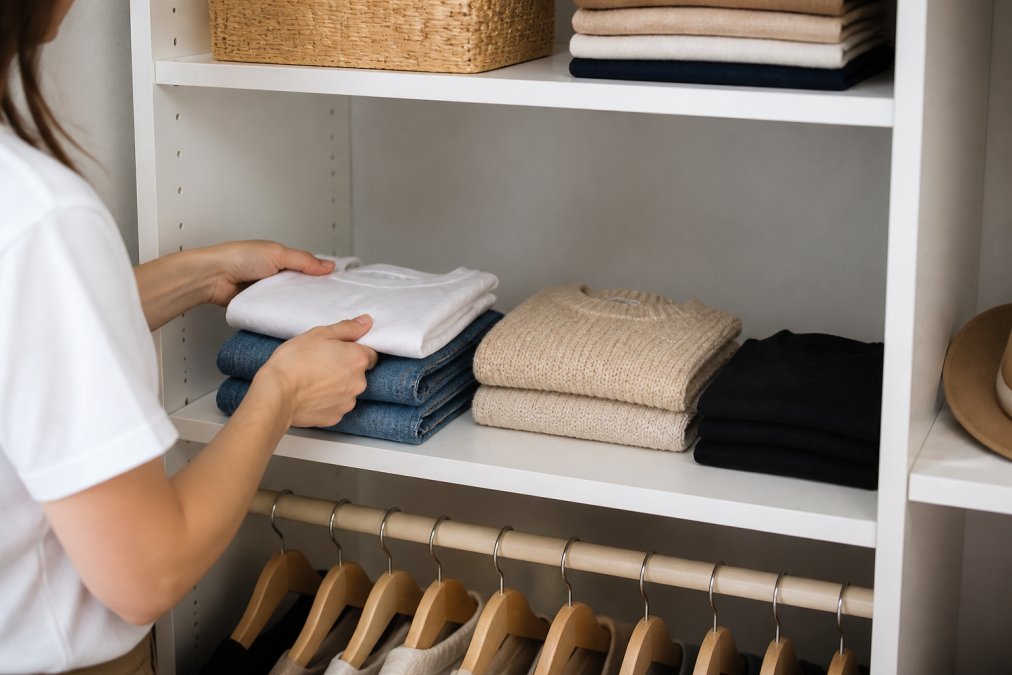
Next, add three layering pieces: a lightweight cardigan, a denim jacket, and a simple blazer or structured overshirt. Then add three bottoms beyond your base: one patterned, one textured, and one slightly dressier. Finally, add three accent colors that work together and stick to those colors across all future purchases.
A realistic budget breakdown for a 40-piece capsule wardrobe:
- Five base pieces: $100
- Three layering pieces: $120
- Three additional bottoms: $100
- Shoes (neutral, casual, and one statement): $120
- Accessories (bags, belts, scarves): $80
- Accent color pieces (tops, dresses): $150
- Total: approximately $670
That's $16.75 per piece on average. Entirely achievable prioritizing quality basics from affordable retailers and thrifting the rest. The Plus Size Floral Maxi Dress from Hoss Style & Co at $26.26 becomes part of your accent color collection, working with your neutrals to create multiple outfit combinations.
Thrifting and Second-Hand Shopping: Where to Find Quality Pieces for Less
Thrifting is the most cost-effective way to build a sustainable wardrobe. A $50 designer piece at a thrift store costs $5-8. A $30 quality basics piece costs $2-4. The environmental impact is immediate: you're extending the life of existing garments instead of demanding new production.
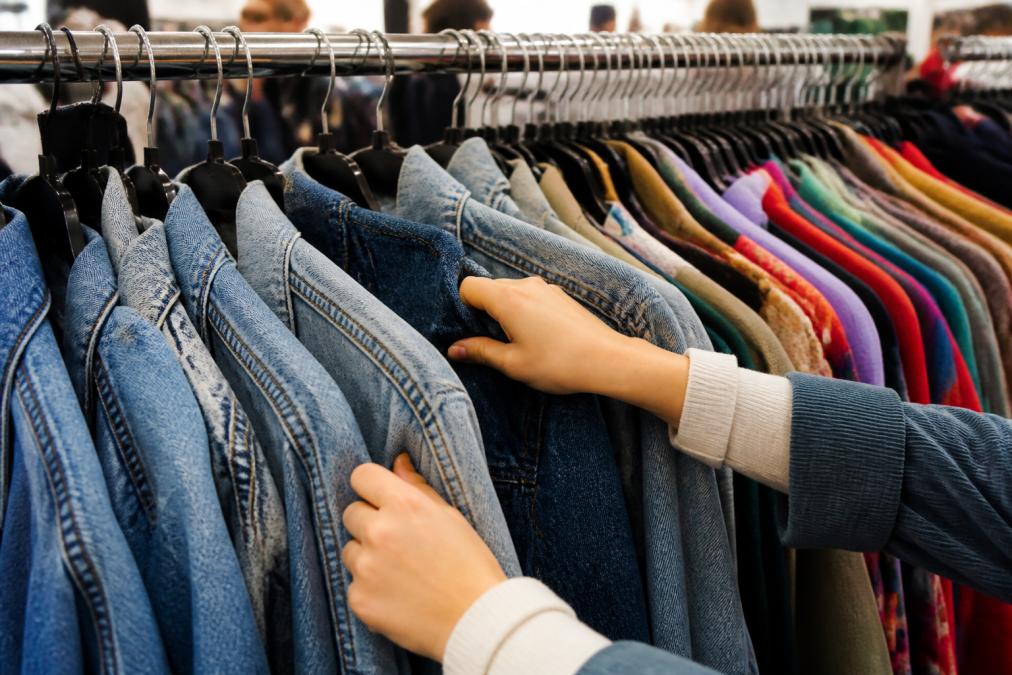
Physical thrift stores work best if you live near good ones. Goodwill, Salvation Army, and independent shops all have different inventories. Visit regularly, new inventory arrives constantly and good pieces go fast. Set a budget per visit and stick to it.
Online thrift platforms like Depop, Poshmark, Vinted, and Mercari let you search for specific items by size, color, brand, and price. The tradeoff is shipping costs, which can negate savings on cheaper items. This works best for specific pieces you're actively seeking.
Quality indicators matter more in secondhand shopping. Check seams for fraying. Look for pilling in high-wear areas. Stretch fabric to see if it bounces back. Examine zippers and buttons. A slightly worn piece that's structurally sound will outlast a new cheap piece.
Natural Fibers vs. Synthetic Materials: Making Durable Choices That Last
The fiber content of your clothing determines how long it lasts, how it feels, and its environmental impact at end of life. Natural fibers, cotton, linen, hemp, wool, breathe better, age gracefully, and biodegrade (peer-reviewed research). Synthetic materials, polyester, nylon, acrylic, are durable, often water-resistant, and don't biodegrade for hundreds of years (the EPA).
For sustainable fashion on a budget, prioritize natural fibers for basics and frequently worn items. These are your foundation pieces, tees, trousers, sweaters, everyday dresses. They should feel good, last years, and eventually biodegrade. Use synthetics strategically for performance: stretchy fabrics for athletic wear, water-resistant materials for outerwear.
Read fiber content labels. A 100% cotton tee is different from a 50% cotton, 50% polyester blend. The all-cotton version breathes better and lasts longer. Linen and hemp are increasingly available and worth seeking out. Both are durable, require less water and pesticides than cotton, and have a lower environmental footprint (fao.org).
Repair, Mending, and Resale: Extending Your Wardrobe's Life and Value
The most sustainable piece of clothing is the one you already own. Repairing and mending extends garment life and keeps items out of landfills. Basic mending skills, sewing a button, closing a seam, patching a hole, are learnable in under an hour and cost almost nothing.
A missing button is a five-minute fix. A small hole can be patched invisibly. A loose seam can be restretched. These repairs cost $2-5 in materials and take 15-30 minutes. Sending the same item to a tailor costs $15-40. Replacing it costs $20-60.
A basic sewing kit costs $10-15 and includes needles, thread in common colors, scissors, and a seam ripper. YouTube has hundreds of tutorials for every repair type. Each repair extends a piece's life by months or years. A $25 pair of shorts with a small hole is either trashed or repaired for $2.
Resale is the final step in extending your wardrobe's life. Pieces you've outgrown or no longer love can be sold on Depop, Poshmark, Vinted, or Mercari. You recover some original cost, the piece gets a second life, and someone else gets an affordable option. Resale also encourages better purchasing decisions. If you know you can resell a piece for 30-40% of what you paid, you're more likely to buy quality items.
Building a sustainable wardrobe on a real budget comes down to three decisions: buy less, choose quality, and keep things longer. Every dollar should work harder through higher cost per wear. Every piece should coordinate with what you already own. Every purchase should feel intentional, not reactive.
Hoss Style & Co makes this approach easier by offering quality basics at accessible prices. The Modal Slim Plus Size Trousers at $16.89, denim shorts ranging from $21-29, and the Plus Size Floral Maxi Dress at $26.26 are pieces designed to last years and work with multiple outfits. Combined with thrifting, mending, and intentional capsule building, these pieces become the foundation of a sustainable wardrobe that doesn't require a luxury budget. Shop All and start building a wardrobe you'll actually keep.

Frequently Asked Questions
How does the cost-per-wear calculation work for sustainable fashion?
Cost-per-wear divides a garment's price by the number of times you'll wear it. A $50 dress worn 100 times costs $0.50 per wear; the same dress worn 5 times costs $10 per wear. This metric shows why investing in versatile, durable basics is often cheaper long-term than buying trendy pieces you'll discard quickly. Focus on timeless designs and natural fibers that hold up to frequent washing and wearing.
What are the best sustainable fashion tips for beginners on a tight budget?
Start by auditing what you own and identifying gaps. Buy neutral wardrobe staples in natural fibers like organic cotton or linen. Shop secondhand first before buying new. Choose quality over quantity, and select pieces that mix and match. Avoid fast fashion's trend cycle. Repair items instead of replacing them. These habits build a mindful, cost-effective wardrobe without overwhelming your finances.
Is sustainable fashion really more affordable than fast fashion?
Upfront, sustainable pieces often cost more per item. However, they last significantly longer, reducing your overall spending. A $30 shirt worn 50 times costs less per wear than a $15 shirt worn 5 times before falling apart. Secondhand shopping, thrifting, and clothing rental services make ethical fashion accessible on any budget. The key is shifting from quantity to quality and viewing clothes as investments rather than disposable items.
Where can I find affordable sustainable clothing without greenwashing?
Check secondhand platforms for gently used pieces from established brands. Look for retailers with transparent labor practices and material sourcing. Thrift stores and consignment shops offer genuine bargains. Choose brands that publish supply chain information rather than vague 'eco-friendly' claims. Clothing rental services extend your wardrobe without purchase. Hoss Style & Co offers versatile basics like Modal Slim Plus Size Trousers ($16.89) and durable denim shorts ($21.53-$28.99) designed for everyday wear and longevity.
This article was written using GrandRanker


