

Table of Contents
- What Curated Fashion Collections Actually Mean
- How Curated Fashion Collections Reduce Decision Fatigue
- Aesthetic Coherence: Why Every Piece Needs to Earn Its Place
- Slow Fashion vs. Fast Fashion: Why the Distinction Matters
- The Real Benefits of a Capsule Wardrobe Built on Curation
- Curation vs. Algorithmic Personalization: Two Very Different Things
- The Business Value of Curation for Retailers and Shoppers Alike
- A Practical Framework for Building Your Own Curated Wardrobe
Last Updated: August 3, 2026
Understanding why curated fashion collections matter is one of the most underrated conversations in modern retail. At Hoss Style & Co LLC, we've watched the fashion landscape shift dramatically, and the clearest lesson is this: more options do not equal better outcomes for shoppers. A thoughtfully curated collection, built with a curator's eye for aesthetic coherence and everyday versatility, consistently outperforms an overwhelming catalog in both shopper satisfaction and wardrobe longevity.
What Curated Fashion Collections Actually Mean
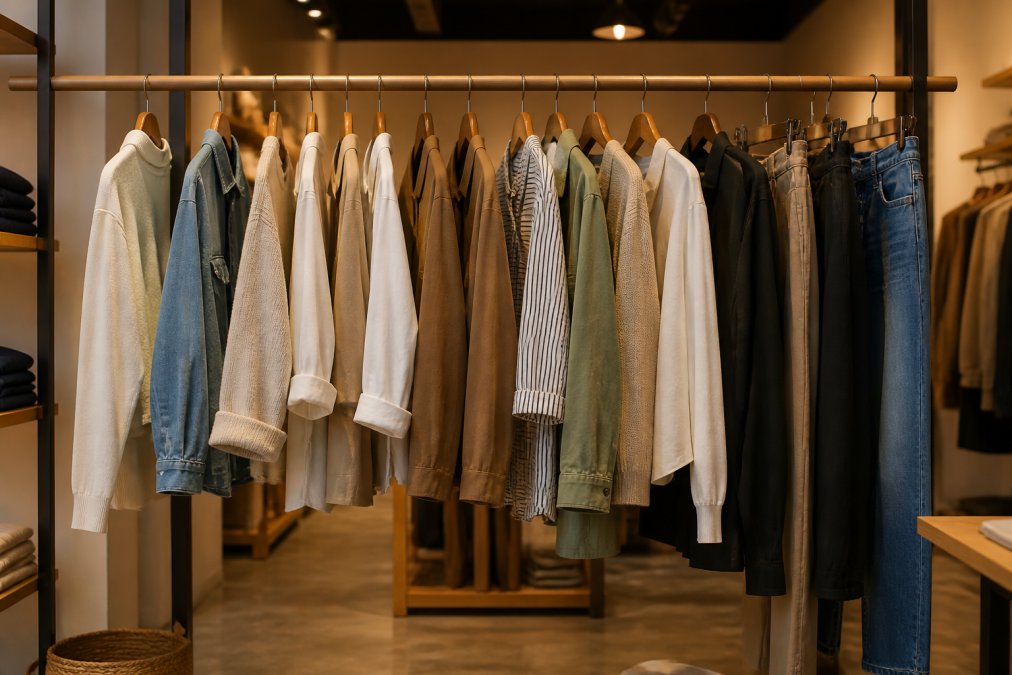
A curated fashion collection is a deliberately edited selection of clothing chosen for aesthetic coherence, functional versatility, and quality, rather than volume. The word "curated" comes from the museum world, where curators select works that tell a story together. The same logic applies to fashion: every piece earns its place by serving a clear purpose within the whole.
This is different from simply having a small inventory. A curated collection reflects intentional consumption, a conscious decision to offer fewer, better options that work across multiple settings and body types. It prioritizes wardrobe staples over trend-chasing, vetted quality over sheer variety, and thoughtful selection over algorithmic filler.
For shoppers, this distinction matters immediately. When pieces share a visual language, a color story, a weight and finish, the answer to "Will this work with what I already own?" is almost always yes. For retailers, curation is a brand identity decision that signals taste, restraint, and respect for the customer's time.
How Curated Fashion Collections Reduce Decision Fatigue
Decision fatigue is the psychological phenomenon where the quality of decisions deteriorates after a long session of choosing, and fashion retail is one of its biggest triggers. According to research from Columbia Business School on choice overload, consumers presented with fewer, well-organized options are significantly more likely to make a purchase and feel satisfied with their choice afterward.
The Psychology Behind Too Many Choices
When a shopper faces hundreds of product pages, each with multiple colorways, fits, and fabric options, the cognitive load becomes a barrier rather than a benefit. The brain reads abundance as complexity, and complexity reads as risk.
Curated collections short-circuit this problem. By presenting a tighter selection, each piece pre-vetted for fit and quality and versatility, the retailer has already done the hard work. The shopper's job shifts from "which of these 300 shirts is right for me?" to "which of these 12 shirts fits my life?" That is a fundamentally different, and far more enjoyable, experience.
This is particularly relevant for busy professionals who need work-to-casual pieces quickly. When a collection is built around everyday versatility, the decision tree collapses. A smaller, well-chosen selection means a higher percentage of available pieces will actually suit you, because they were chosen with a specific lifestyle and aesthetic in mind rather than mass appeal to no one in particular.
Aesthetic Coherence: Why Every Piece Needs to Earn Its Place
The real power of a curated collection shows up when you open your closet and everything works together. Aesthetic coherence means that pieces share a visual language: complementary tones, consistent weight and drape, a shared sensibility about what "dressed" looks like. It does not mean everything matches. It means everything harmonizes.
This matters practically: a cohesive wardrobe multiplies your outfit options without multiplying your spending. When a navy linen shirt, a well-cut trouser, and a structured jacket all speak the same visual language, they combine freely. You are working with a system, not locked into specific pairings.
For retailers, building aesthetic coherence requires a genuine curator's eye, rejecting pieces that are good on their own but disruptive to the whole. Timeless pieces are designed with longevity in mind, referencing enduring silhouettes rather than micro-trends. A curated collection with strong aesthetic coherence tends to age well precisely because it was never built around what was trending this quarter.
Slow Fashion vs. Fast Fashion: Why the Distinction Matters
Fast fashion optimizes for speed and volume. New styles arrive weekly, prices are low, and the implicit message is: buy it now, replace it soon. Slow fashion takes the opposite position, prioritizing product lifecycle, supply chain transparency, and pieces built to last. According to the EPA's overview of textile waste and sustainable consumption, Americans generate millions of tons of textile waste annually, a figure directly connected to the disposability built into fast fashion's business model.
Intentional Consumption Over Impulse Buying
Intentional consumption is the practice of buying with purpose rather than impulse. When a retailer has done the curation work, the shopper is invited into a different relationship with buying. Instead of grabbing five items because they were cheap and available, you buy two items because they were right. The cost-per-wear calculation shifts dramatically. A well-made piece worn 80 times is a better investment than a cheap piece worn four times and discarded.
Many shoppers want their purchases to reflect their values, not just their taste. Buying from a brand that practices intentional curation signals that the brand respects both the customer and the broader impact of its choices. A curated collection built on slow fashion principles gives you fewer regret purchases, a more coherent wardrobe, and a cleaner relationship with your own style.
The Real Benefits of a Capsule Wardrobe Built on Curation
A capsule wardrobe is a small, intentional collection of versatile pieces that work together across multiple settings and seasons. The benefits are concrete:
- Fewer decisions each morning, because every piece works with the others
- Lower overall spending, because you stop buying fillers and one-occasion pieces
- Higher outfit confidence, because every combination has been pre-validated by the coherence of the collection
- More closet space, which matters if you live in an apartment or travel frequently
- Reduced environmental impact, because you buy less and wear each piece more
Wardrobe Staples That Work Across Every Setting
Wardrobe staples are the foundation of any capsule wardrobe. A wardrobe staple is a piece that transitions easily between settings, does not read as overly casual or overly formal in either direction, and holds its visual weight across multiple combinations. Think of a well-cut chino, a clean white or navy crewneck, a structured jacket that works over a t-shirt and under a coat. These pieces do not demand attention. They create the conditions for you to look consistently put-together without effort.
For busy professionals, wardrobe staples are not a compromise. They are a strategy. When your baseline is solid, getting dressed becomes a two-minute exercise rather than a daily negotiation with your closet.
| Wardrobe Staple | Best Settings | Key Quality Markers | Curation Priority |
|---|---|---|---|
| Tailored chino or trouser | Work, casual, dinner | Clean cut, quality fabric weight | High |
| Crewneck or v-neck tee | All settings | Consistent drape, durable fabric | High |
| Structured jacket or blazer | Work, evening, travel | Holds shape, versatile color | High |
| Dark denim | Casual, smart-casual | Quality wash, consistent fit | Medium-high |
| Versatile outerwear | All seasons | Neutral tone, layering-friendly | Medium-high |
Curation vs. Algorithmic Personalization: Two Very Different Things
Algorithmic personalization, used by large e-commerce platforms, shows you products based on your browsing history, purchase patterns, and demographic data. It is reactive, reflecting who you have been as a shopper, not who you want to become.
Curation, by contrast, is editorial. A human with taste and experience makes a judgment call about what belongs in a collection and what does not. That judgment is informed by aesthetic vision, market trends, cultural context, and an understanding of how people actually live. It is proactive, not reactive.
Algorithmic personalization tends to reinforce your existing habits. If you have been buying fast fashion impulse pieces, the algorithm will keep showing you fast fashion impulse pieces. A curated collection challenges you productively, saying: here are the pieces we believe are worth your attention. That is a fundamentally different value proposition, and it is one that algorithmic systems cannot replicate, because algorithms do not have taste.
The Business Value of Curation for Retailers and Shoppers Alike
For retailers, a curated collection simplifies inventory management. Fewer SKUs mean less complexity in warehousing, fulfillment, and returns processing. It also creates clearer market positioning. A brand known for a specific aesthetic and a reliable standard of quality attracts a loyal customer base rather than a transactional one.
For shoppers, the business value of curation shows up in the form of trust. When a retailer has clearly made editorial decisions, you know that what you see has been vetted. The question shifts from "is this good?" to "is this right for me?" According to Harvard Business Review analysis of retail personalization and customer loyalty, customers who trust a retailer's editorial judgment are more likely to return and less likely to comparison-shop on price alone.
Hoss Style & Co LLC was built on exactly this principle: a carefully selected collection of modern fashion pieces, chosen for everyday versatility, with a seamless and secure shopping experience that respects the customer's time.
A Practical Framework for Building Your Own Curated Wardrobe
The most actionable thing you can take from understanding why curated fashion collections matter is a personal curation process. Here is a three-step framework that works:
- Define your aesthetic and daily needs
- Audit what you already own against that definition
- Fill gaps with vetted, versatile pieces that earn their place
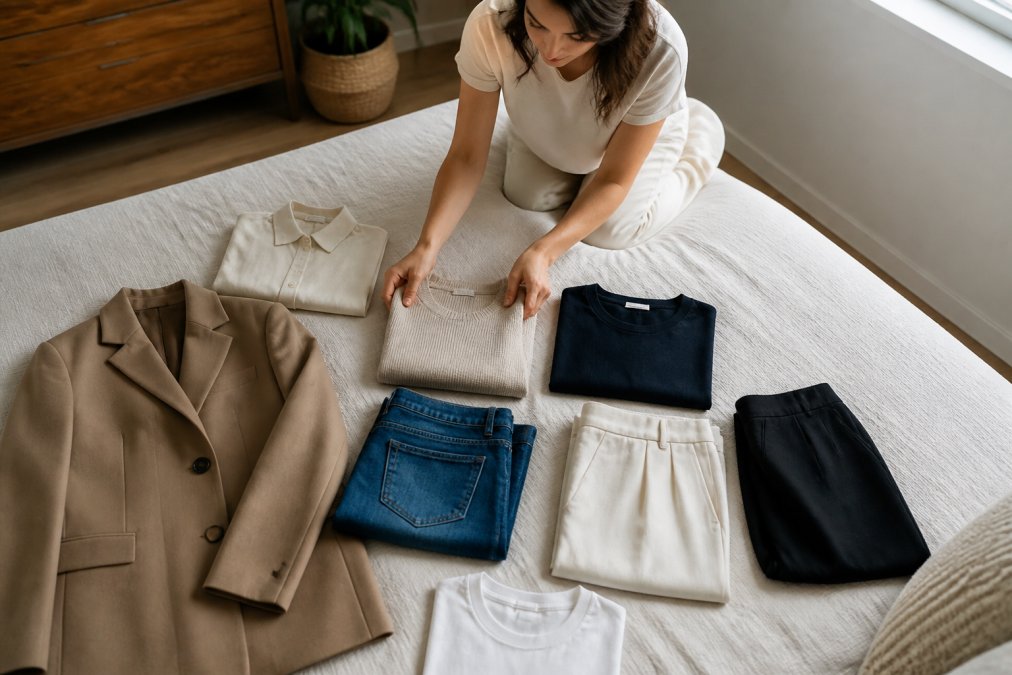
Step 1: Define Your Aesthetic and Daily Needs
Start with your actual life, not your aspirational one. Write down the three to four settings you dress for most often: office, weekend errands, dinner out, travel. Then identify the visual tone that feels most like you: clean and minimal, relaxed and earthy, sharp and structured.
This definition becomes your filter. Every piece you buy or keep should serve at least two of your settings and fit within your visual tone.
Step 2: Audit What You Already Own
Pull everything out of your closet and evaluate each piece against your definition. The question is not "do I like this?" The question is "does this earn its place?" What you will likely find: a core of 15 to 20 pieces that you reach for constantly, and a surrounding mass of items that were purchased impulsively and never integrated.
Step 3: Fill Gaps with Vetted, Versatile Pieces
Once you know what you have and what you need, you can shop with precision. Look for pieces that fill specific gaps in your wardrobe system, not pieces that are generally appealing. This is where a curated retailer adds genuine value. Instead of filtering through thousands of options, you are browsing a collection that has already been edited for the kind of versatility and quality you are looking for. Buy the best version of what you need, not three acceptable versions.
Building a wardrobe that actually works requires the same discipline that good retailers apply to their collections: intention, restraint, and a clear point of view. Hoss Style & Co LLC brings that curatorial approach to everyday modern fashion, offering carefully selected pieces for both men and women that are designed to work across your real life, not just your best-case scenarios. Every order ships with tracking, and the checkout process is built to be secure and straightforward. Shop All at Hoss Style & Co LLC and start building a wardrobe that earns its place.
Frequently Asked Questions
What is a curated collection in fashion?
A curated fashion collection is a deliberately selected group of clothing pieces chosen for their quality, versatility, and aesthetic coherence rather than sheer volume. Instead of stocking hundreds of random items, a curator applies a thoughtful selection process to ensure every piece serves a purpose, fits a consistent style direction, and works well alongside the other items in the collection. The result is a focused shopping experience where every option is worth your attention.
What are the benefits of a capsule wardrobe built from curated pieces?
A capsule wardrobe built on curated fashion collections saves time, reduces morning decision fatigue, and stretches your clothing budget further. Because each piece is chosen for versatility and fit quality, you end up with fewer items that actually get worn rather than a closet full of things you never reach for. Curated wardrobe staples also tend to hold up longer, which supports a slow fashion approach and reduces the cycle of buying and discarding cheap pieces that fall apart quickly.
How does slow fashion differ from fast fashion, and why does it matter for shoppers?
Fast fashion prioritizes speed and low price, producing large volumes of trend-driven pieces with shorter product lifecycles and often lower material quality. Slow fashion focuses on intentional consumption: fewer pieces, better construction, and longer wear. For shoppers, the practical difference shows up in cost-per-wear. A well-made slow fashion piece worn 100 times costs far less per use than a cheap item worn five times before it fades or falls apart. Curated fashion collections are naturally aligned with the slow fashion model.
How is curation different from algorithmic personalization on shopping apps?
Algorithmic personalization uses your browsing and purchase data to surface products you are statistically likely to click on. It optimizes for engagement, not for wardrobe coherence or quality. Curation, by contrast, applies a human editorial standard: a curator's eye evaluates fit, fabric, value alignment, and how pieces work together before anything reaches the collection. Algorithms can show you what you have bought before; curation shows you what is actually worth buying.
How do you build a curated wardrobe without spending a lot of money?
Start by defining your actual daily lifestyle needs rather than shopping trends. Audit what you already own and identify the gaps, specifically the versatile basics you reach for most. Then fill those gaps one piece at a time, prioritizing fit and fabric quality over brand names. Shopping from a retailer with a genuinely curated collection helps because the editorial work is already done for you, and you spend less time filtering through items that do not meet a consistent quality or style standard.
This article was written using GrandRanker


