

Table of Contents
- Is Tracked Shipping Standard for Apparel Orders?
- How to Find Clothes That Fit When You Shop Online
- What Is the Average Delivery Time for Online Apparel?
- Standard vs. Express Shipping: Costs, Speed, and Tracking
- Secure Checkout Best Practices for Fashion Shoppers
- Carrier Tracking Standards and Apparel Shipping Risks
- What to Do When Your Apparel Order Has No Tracking
- Conclusion: Shop with Confidence and Track Every Order
- Frequently Asked Questions
Last Updated: September 27, 2026
Is Tracked Shipping Standard for Apparel Orders?
For most online apparel orders in 2026, is tracked shipping standard for apparel? Yes, it is the norm, not optional. Major carriers generate a tracking number for nearly every parcel, and most stores include it by default. This guide from Hoss Style & Co LLC explains how tracking works and what to do when it's missing.
Here's the short answer: if a store ships with a major carrier, you almost always get a tracking number. The real question is whether that number updates reliably.
That's where things get messy.
A tracking number is a unique code a carrier assigns to your parcel so you can follow it from the warehouse to your door. It sounds simple. But the updates you see depend on the carrier, the shipping method, and how often the package gets scanned.
Below, we'll show you exactly how to read tracking updates, spot problems early, and protect yourself when a package goes quiet.
How to Find Clothes That Fit When You Shop Online
Fit problems are the leading reason apparel gets returned, and returns are where tracking questions get complicated. Once a return is in motion, the same scan gaps that frustrate outbound tracking show up on the way back. Understanding fit reduces how often you have to deal with that at all.
The fix starts before you buy, not after the box arrives. A common mistake is guessing your size from a single letter. Sizes vary between brands, and a medium at one store can fit like a large at another.
Here's how to get it right:
- Measure your chest, waist, and hips with a soft tape
- Compare those numbers to the store's size chart, not your usual size
- Read the fit notes: "runs small" or "relaxed fit" changes everything
- Check the fabric: stretchy knits forgive more than stiff wovens
- Look for models with similar height and build to you
What most guides miss is how fit ties back to shipping and tracking. A store with a generous return window and prepaid return labels makes trying a risky size low-stakes. A store with a 14-day window and no return tracking makes it expensive. Before you order a size you're unsure about, check three things on the policy page: the return window length, who pays return shipping, and whether the return label includes tracking.
If the return label is untracked, you have no proof the parcel arrived back at the warehouse. Most retailers will still process the refund, but disputes take longer without a scan trail. When a return label is tracked, you can watch it move the same way you watch an outbound order, and you have a record if the refund stalls.
What Is the Average Delivery Time for Online Apparel?
The average delivery time for online apparel is 3 to 7 business days for standard shipping within the country. Express options can cut that to 1 to 3 business days. Overseas orders often take 7 to 15 business days.
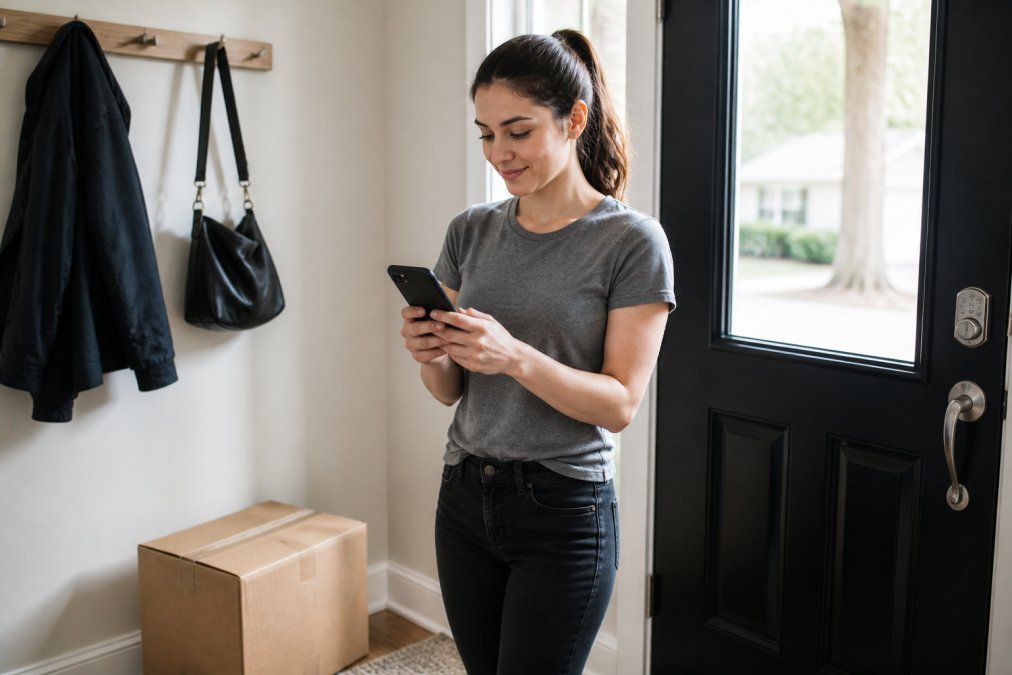
Several things change your delivery window:
- Order processing time before the parcel leaves the warehouse
- The shipping method you chose at checkout
- Your distance from the fulfillment center
- Weather, holidays, and carrier backlogs
Note that "business days" excludes weekends and holidays. A 5-day estimate placed on a Friday can stretch into the following week.
For items that ship from overseas, expect a longer timeline. Hoss Style & Co lists a 7 to 15 business day delivery window on its overseas items, after a 3 to 5 business day processing time.
Standard vs. Express Shipping: Costs, Speed, and Tracking
Both standard and express shipping usually include tracking. The difference is speed and price, not whether you can follow your parcel.
| Feature | Standard Shipping | Express Shipping |
|---|---|---|
| Typical transit time | 3-7 business days | 1-3 business days |
| Cost | Lower or free | Higher surcharge |
| Tracking included | Usually yes | Yes |
| Best for | Non-urgent orders | Time-sensitive needs |
| Scan frequency | Fewer updates | More frequent updates |
The tracking quality often differs too. Express parcels get scanned more often because they move through more checkpoints. Standard parcels can sit for a day or two between scans. That gap is normal, not a lost package.
If you need something for a specific date, express is worth the extra cost.
Secure Checkout Best Practices for Fashion Shoppers
A secure checkout protects your payment details and your order. A few simple checks keep you safe.
Look for these signs before you pay:
- The site address starts with "https" and shows a lock icon
- The store lists a real return and shipping policy
- You can reach customer service by email or phone
- The payment page doesn't ask for odd extra details
- Your card or payment app offers buyer protection
Carrier Tracking Standards and Apparel Shipping Risks
Different carriers follow different tracking standards, and those standards decide how much you actually see. Some scan at every checkpoint. Others scan only at pickup and delivery. Knowing which carrier has your parcel tells you whether a quiet tracking page is normal or a problem.
Here's what to expect from the major carriers:
Men's Body Shaper Sauna Vest for Weight →
-
The U.S. Postal Service scans at acceptance, regional sorting facilities, the local delivery unit, and delivery. Long-haul ground segments can go a day or two between scans, especially on weekends.
-
UPS and FedEx scan at pickup, each hub the parcel passes through, and delivery. Express services add more checkpoints because the parcel moves through more sortation steps in less time.
-
DHL scans frequently on international lanes and adds customs events, but those customs scans can pause the visible timeline for several days.
-
Regional and last-mile carriers vary widely. Some hand off to the postal service for final delivery, which creates a second tracking number you may not be told about.
-
Label created, the store printed a label. The parcel may not have left the warehouse.
-
Acceptance scan, the carrier physically took the parcel. This is the first proof it exists in the network.
-
In transit, moving between facilities. Gaps here are normal.
-
Out for delivery, on the truck. If it doesn't arrive that day, check again the next morning.
-
Delivered, the carrier says it left the parcel. This is where most disputes start.
-
A poly mailer can slip between sorting belts or behind equipment in a way a rigid box cannot, which sometimes delays a scan without the parcel being lost.
-
Mailers offer almost no protection from rain, so a "delivered" scan on a stormy day can mean a soaked garment on the porch.
-
Light parcels are easy to mis-sort. A single garment under a pound can end up on the wrong truck with no scan to show it happened.
-
Boxed apparel, by contrast, is heavier and bulkier, so it moves through fewer hands but costs more to ship.
What to Do When Your Apparel Order Has No Tracking
No tracking number does not always mean no tracking. Some stores send it in a separate email once the order ships. Check your spam folder first.
If there's still no tracking, follow these steps:
- Log into your account and check your order status page
- Look for a shipping confirmation email with a tracking link
- Contact customer service and ask for the tracking number
- Request a delivery estimate in writing
- If nothing ships, ask for a refund or replacement
Conclusion: Shop with Confidence and Track Every Order
Losing a package or getting no updates is frustrating, and it's the fastest way to ruin a good shopping experience. The good news is that tracked shipping is now standard for most apparel orders, and you have tools to protect yourself when it isn't.
Frequently Asked Questions
Is tracked shipping standard for apparel orders?
Yes, tracked shipping is now the standard for most online apparel retailers in the US. Major carriers like USPS, UPS, and FedEx include tracking on nearly all domestic packages. Most clothing stores provide a tracking number once your order ships. If a store does not offer tracking, that is a red flag. Always check the shipping policy before buying.
Does standard shipping usually include a tracking number?
In most cases, yes. Standard shipping from reputable apparel brands includes a tracking number. USPS Ground Advantage, UPS Ground, and FedEx Home Delivery all provide tracking by default. Some budget international shipments may lack tracking, but domestic standard shipping almost always includes it. If tracking is not mentioned at checkout, contact the seller before ordering.
What should I do if my clothing order does not have tracking?
First, check your shipping confirmation email and spam folder. If no tracking number appears, contact the retailer within 2-3 business days. Ask for a tracking number or shipment confirmation. If the seller cannot provide one, request a refund or file a dispute with your payment provider. Under the FTC Mail Order Rule, sellers must ship within the stated timeframe or offer a refund.
How long does delivery usually take for online apparel?
Most US apparel orders arrive within 3-7 business days via standard shipping. Express delivery takes 1-3 business days. International orders can take 7-21 business days depending on customs clearance. Processing time adds 1-3 business days before shipment. Some overseas items, like specialty fitness gear, may take 7-15 business days after processing. Always check the estimated delivery date at checkout.


