

Table of Contents
- What Makes an Online Clothing Checkout Safe
- How to Spot a Fake Clothing Website
- Secure Payment Methods for Online Shopping
- Protecting Your Personal and Financial Information
- Post-Purchase Security and Monitoring
- Building Trust: Return Policies and Customer Reviews
- Your Checklist for Safe Online Clothing Checkout
- Conclusion
Last Updated: August 22, 2026
What Makes an Online Clothing Checkout Safe
When you're buying clothes online, the security of your transaction depends on encryption technology, trust verification systems, and secure payment gateways. At Hoss Style & Co, we've built our checkout process around industry-standard security protocols to protect your personal data, financial information, and transaction history from unauthorized access.
HTTPS and the Padlock Icon
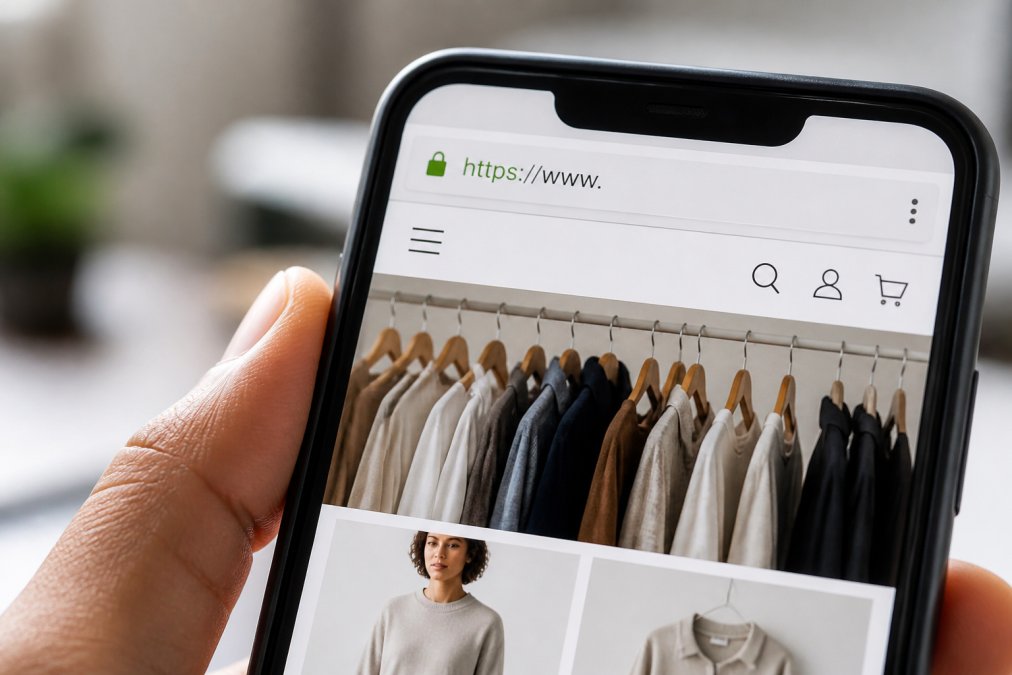
HTTPS is a secure version of the standard web protocol that encrypts all data traveling between your browser and the website's server (cisa.gov). When you see a padlock icon next to the website's domain name in your address bar, that indicates an active HTTPS connection is protecting your information.
The padlock icon is your first visual confirmation that the site uses encryption. Most modern browsers display this symbol prominently; clicking it shows details about the site's security certificate. Without HTTPS, any data you enter (passwords, credit card numbers, addresses) travels as plain text that could be intercepted.
Legitimate clothing retailers, including Hoss Style & Co, use HTTPS on every page of their checkout process, not just the payment step. If you notice the padlock disappears midway through checkout, that's a red flag worth investigating before proceeding.
SSL/TLS Encryption
SSL (Secure Sockets Layer) and its successor TLS (Transport Layer Security) are cryptographic protocols that establish an encrypted connection between your device and the website's server. When you enter payment details on a secure checkout page, TLS encryption converts that information into unreadable code that only the website's server can decrypt.
Most browsers now display a warning if a site uses outdated encryption standards. Modern clothing retailers maintain TLS 1.2 or higher, which represents current best practice. The technical complexity is invisible to you as a shopper, you simply see the padlock and proceed with confidence.
How to Spot a Fake Clothing Website
Fraudulent clothing websites often mimic the design and layout of legitimate retailers to gain your trust. Recognizing the subtle differences protects you from phishing attempts, malware, and identity theft.
Red Flags in Website Design and Domain
The website's domain name is your first opportunity to verify legitimacy. Fake clothing sites frequently use domain names that closely resemble popular retailers, for example, registering "hoss-style.shop" or "hossstyle-co.net" instead of the actual Hoss Style & Co domain. Check the domain carefully before entering any personal information.
Look for these warning signs: poor grammar or spelling errors in product descriptions, inconsistent branding or logo placement, pixelated or low-quality product images, and unprofessional layout. Pricing that seems too good to be true often indicates a scam, if a designer brand is selling for 70% below market price across their entire inventory, that's a strong signal something is wrong. Real retailers offer occasional discounts on specific items, not permanent markdowns on everything.
Another red flag is the absence of clear contact information. Legitimate businesses display a physical address, phone number, and email contact on their website. If a clothing retailer provides only a contact form with no other way to reach them, that's a warning sign.
Checking for Trust Seals and Certifications
Trust seals from third-party security companies appear on legitimate retail websites. However, trust seals can be faked. Verify any seal by clicking on it; a legitimate seal links to the issuing organization's verification page. Fake seals are often just images that don't link anywhere.
Look for Payment Card Industry (PCI) compliance, a standard that all retailers accepting credit cards should maintain. While retailers don't always display their PCI status publicly, you can ask customer service whether they're PCI-compliant. Legitimate businesses will confirm this without hesitation.
Customer reviews and ratings on independent review platforms add credibility. Sites like Trustpilot, Google Reviews, and the Better Business Bureau maintain records of customer experiences. If a clothing website has no reviews anywhere, or only glowing reviews that sound scripted, that's worth investigating further.
Secure Payment Methods for Online Shopping
The payment method you choose significantly impacts your transaction security. Modern payment technologies offer varying levels of protection against fraud and unauthorized charges.
Digital Wallets and Payment Gateways
A digital wallet is a secure payment method that stores your financial information on your device or with a trusted service provider, eliminating the need to share your card details directly with each retailer (consumer.ftc.gov). Apple Pay, Google Pay, and PayPal are the most common digital wallets used in online clothing shopping.
Digital wallets encrypt your payment information before transmission. When you use Apple Pay at checkout, the retailer never sees your actual credit card number; they receive a tokenized transaction identifier instead. Payment gateways like Stripe, Square, and Authorize.net process transactions between your payment method and the retailer's bank account, maintaining strict security standards.
Using a credit card through a secure payment gateway offers additional protection. Federal law limits your liability for fraudulent charges to $50, and many card issuers waive even that amount. This consumer protection doesn't apply equally to debit cards or bank transfers.
Virtual Credit Cards and Disposable Tokens
Virtual credit card numbers are temporary, single-use payment tokens generated by your bank or payment provider. Each virtual card number is linked to your actual account but works only once and for a limited amount. Services like Privacy.com and some major banks generate virtual card numbers for online purchases, preventing merchants from storing a reusable card number that could be compromised in a data breach.
Cybersecurity experts recommend using virtual cards or disposable tokens for any retailer you haven't shopped with before, or for any transaction on an unfamiliar website. The small effort of generating a virtual card number provides substantial protection against fraud.
Protecting Your Personal and Financial Information
Your responsibility for security extends beyond choosing a safe website. How you manage your own passwords, devices, and network connections directly impacts whether your shopping information remains protected.
Strong Passwords and Two-Factor Authentication
A strong password is at least 16 characters long and combines uppercase letters, lowercase letters, numbers, and special characters in a way that cannot be guessed or cracked through common attack methods (cisa.gov). Avoid passwords based on personal information, dictionary words, or predictable patterns.
The most secure approach is using a password manager like Bitwarden, 1Password, or LastPass. These services generate and store unique, complex passwords for each website. You remember only one master password, and the manager handles the rest.
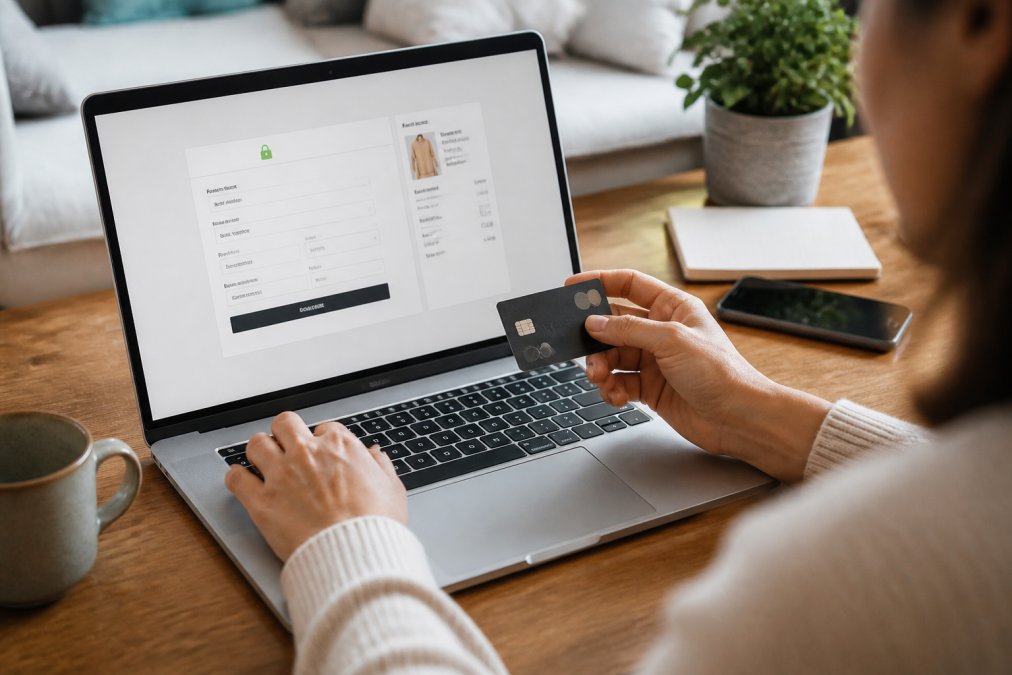
Two-factor authentication (2FA) adds a second verification step beyond your password. After entering your password, you're prompted to verify your identity through a second method, typically a code from an authenticator app, a text message, or a biometric scan. Enable 2FA on any account that stores payment information or personal data.
Public Wi-Fi and Mobile Checkout Risks
Public Wi-Fi networks in coffee shops, airports, and libraries are fundamentally insecure. Any data you transmit over these networks can be intercepted by other users. Avoid shopping on public Wi-Fi altogether if possible. If you must use public Wi-Fi for online clothing purchases, use a virtual private network (VPN) to encrypt all your traffic.
Mobile checkout carries specific risks that desktop shopping doesn't. Before installing a clothing retailer's mobile app, verify that it comes from the official app store and has been downloaded by a substantial number of users with positive reviews. When shopping on mobile, use the official app rather than the mobile website when available.
Post-Purchase Security and Monitoring
Your security responsibilities don't end when you complete checkout. Review your credit card and bank statements within a few days of any online purchase. Look for unfamiliar charges, even small ones.
Set up transaction alerts with your bank and credit card issuer. Most financial institutions allow you to configure notifications for purchases above a certain amount, transactions in specific categories, or any purchase that occurs outside your usual geographic area.
Monitor your credit report for signs of identity theft. You're entitled to one free credit report annually from each of the three major bureaus through annualcreditreport.com. Consider freezing your credit with all three bureaus if you believe your information has been compromised.
Building Trust: Return Policies and Customer Reviews
A retailer's return policy and customer feedback reveal how seriously they take customer protection and satisfaction. Transparent return policies indicate a business that stands behind its products. Hoss Style & Co maintains clear return terms because we're confident in our curated collection and want customers to shop without fear.
Read customer reviews on independent platforms, not just on the retailer's own website. Pay attention to reviews about shipping speed, return experiences, and customer service responsiveness. Look for patterns in negative reviews, a few complaints about fit are normal, but repeated complaints about unshipped orders or unresponsive customer service indicate systemic problems.
Your Checklist for Safe Online Clothing Checkout
Before entering payment information on any clothing website, verify these security elements:
- The website uses HTTPS (padlock icon visible in address bar)
- The domain name matches the official business name exactly
- The website displays clear contact information and customer service options
- Product images are high-quality and professionally photographed
- Pricing is consistent with the retailer's brand positioning and market rates
- The website displays trust seals or security certifications (verify by clicking)
- Customer reviews exist on independent platforms with mixed but predominantly positive feedback
- The return policy is clearly stated and reasonable
- You're using a secure payment method (credit card, digital wallet, or virtual card number)
- You're not on public Wi-Fi, or you're using a VPN if you must be
- The website offers two-factor authentication for account security
- You can identify the business's physical location and business registration
Shopping online for clothing should feel secure and straightforward. The combination of encryption technology, verified payment methods, and your own vigilance creates multiple layers of protection. When you choose retailers like Hoss Style & Co that prioritize secure checkout and reliable, tracked shipping, you're investing in peace of mind alongside your wardrobe. Our commitment to seamless security means you can focus on finding the versatile, stylish pieces that make getting dressed easier, not on worrying whether your transaction is safe.
Frequently Asked Questions
How do I know if an online clothing store is legit?
Check for HTTPS encryption (padlock icon in the address bar), verify the domain matches the brand name, look for trust seals from recognized security providers, read customer reviews on independent sites, and confirm a clear return policy and customer support contact information. Legitimate clothing retailers display these security markers prominently and provide transparent company information.
What is the safest payment method for online clothing checkout?
Digital wallets like Apple Pay, Google Pay, and PayPal offer strong security through encryption and buyer protection. Virtual credit cards and disposable payment tokens add an extra layer by masking your real card number. Credit cards also provide fraud protection under federal law. Avoid wire transfers or checks, which offer no recourse if the transaction is fraudulent.
Does a padlock icon guarantee a website is safe?
The padlock icon indicates HTTPS encryption is active, which protects data in transit between your device and the server. However, encryption alone doesn't verify the retailer is legitimate, fraudulent sites can also use HTTPS. Always combine the padlock check with other verification steps: domain authenticity, trust seals, customer reviews, and a clear return policy.
What should I do if I suspect my payment information was compromised during checkout?
Contact your card issuer or bank immediately to report suspected fraud. Monitor your account statements and credit reports for unauthorized activity. If you used a digital wallet or virtual card, disable that token and request a new one. Most credit cards offer zero-liability protection for unauthorized transactions, but reporting quickly protects your account from further misuse.
This article was written using GrandRanker


