

Table of Contents
- What Makes Reliable Shipping for Online Clothing Different
- How to Track Clothing Orders From Checkout to Delivery
- Shipping Speed Options: Standard, Express, and Last-Minute Delivery
- Best Practices for Online Clothing Returns and Exchanges
- How to Find Clothes That Fit Before You Order
- Packaging, Insurance, and Protection for Your Orders
- Building Trust in Online Clothing Retailers
Last Updated: August 19, 2026
What Makes Reliable Shipping for Online Clothing Different
Reliable shipping for online clothing protects garments during transit, manages customer expectations, and builds trust through transparency. When you order a $60 sweater online, you're paying for confidence that it will arrive in perfect condition, on time, and with clear visibility into its location at every step.
At Hoss Style & Co, we understand that clothing requires different handling than other e-commerce products. Fabrics can wrinkle, stretch, or tear. Colors can fade under extreme temperatures. Zippers can break under pressure. Reliable shipping demands careful packaging, appropriate carriers, and realistic delivery windows that account for product fragility.
The difference between reliable and unreliable shipping comes down to three factors: carrier selection, packaging standards, and order tracking transparency. A retailer that invests in garment-specific packaging, selects carriers known for careful handling, and provides real-time tracking builds loyalty that turns first-time buyers into repeat customers.
Most online clothing retailers face a tension: customers want fast, free shipping, but expedited delivery and premium packaging cost money. Retailers that solve this well communicate clearly about available shipping speeds, why certain options cost more, and what customers can expect at each stage.
How to Track Clothing Orders From Checkout to Delivery
Tracking a clothing order from checkout to delivery involves understanding fulfillment stages and knowing what information you should receive at each step.
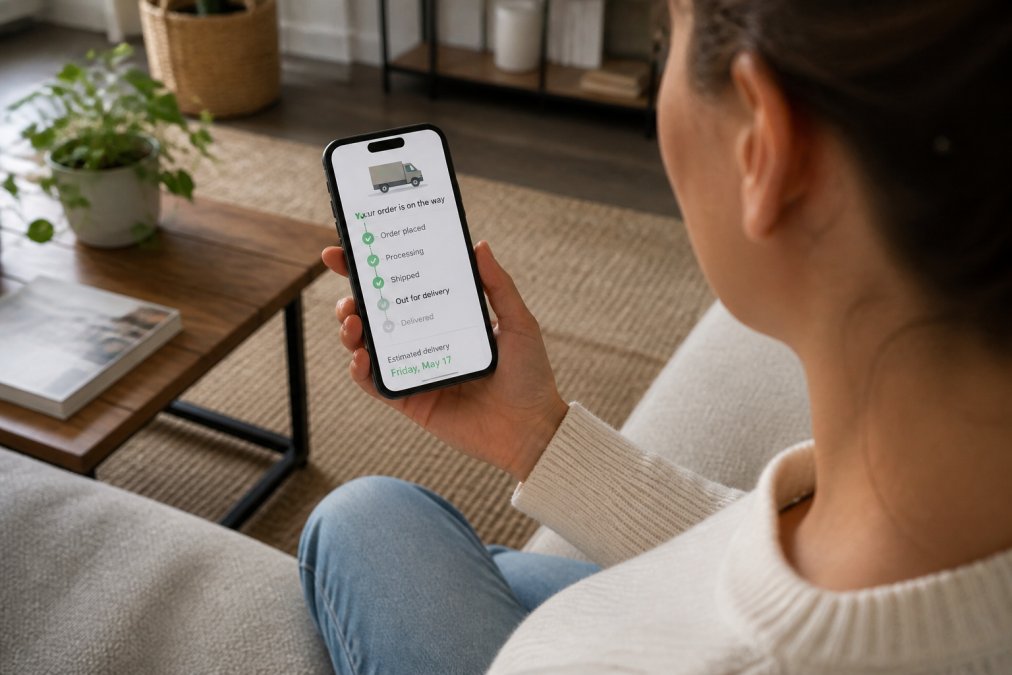
Order processing typically takes 24 to 48 business hours. During this time, the retailer picks items from inventory, quality-checks them, and prepares them for shipment. You should receive a confirmation email immediately after purchase and a shipping notification with a tracking number once the package leaves the warehouse.
Once in transit, tracking updates at major checkpoints: picked up from warehouse, arrived at sorting facility, left facility, out for delivery, and delivered. A system that updates multiple times daily is more useful than one updating once per day, especially as your package approaches delivery.
For clothing, look for tracking details indicating how the package is being handled. Some carriers offer photo confirmation of delivery, protecting both you and the retailer. Others provide estimated delivery windows rather than specific times, which is more realistic given variable delivery routes.
The final mile is where packages most often experience delays or mishandling. A carrier providing a specific delivery window (e.g., "between 2 PM and 6 PM on Thursday") gives you time to be home or arrange safe placement. Some carriers allow signature confirmation, which adds security but extends delivery time.
Shipping Speed Options: Standard, Express, and Last-Minute Delivery
Different shipping speed options serve different customer needs and business economics. Standard shipping is most cost-effective but takes 5 to 10 business days. Express and expedited options compress that timeline at higher cost.
Standard shipping typically involves batching orders and shipping via ground carriers. For clothing, orders usually arrive within 5 to 10 business days depending on warehouse distance. Standard shipping is reliable for most use cases when customers aren't in a hurry.
Next-day and 2-day delivery use air carriers or premium ground services. Next-day delivery usually costs $15 to $30. Two-day delivery typically costs $8 to $15. These options work for upcoming events or moderate urgency.
Last-minute delivery solutions exist for emergencies. Some retailers partner with local couriers or same-day services delivering within hours. These services cost $25 to $50+ and are only available in major metropolitan areas.
The relationship between shipping speed and packaging quality matters for clothing. A package sitting in a warehouse for two days can be packed carefully. A same-day package might be packed more hastily. Reliable retailers maintain the same packaging standards regardless of speed option.
| Shipping Option | Typical Timeline | Typical Cost | Best For |
|---|---|---|---|
| Standard Ground | 5-10 business days | Free or $5-8 | Planned purchases, budget-conscious shoppers |
| Express/2-Day | 2 business days | $8-15 | Upcoming events, moderate urgency |
| Next-Day | 1 business day | $15-30 | Urgent needs, special occasions |
| Same-Day/Last-Minute | Hours to same day | $25-50+ | Emergencies only, major cities only |
Best Practices for Online Clothing Returns and Exchanges
A return policy acknowledges that fit, color, and quality issues are common when buying apparel sight unseen. The best retailers make returns as easy as ordering, building confidence that you won't be stuck with something that doesn't work.
A straightforward return process includes a clear return window (typically 30 to 60 days), free return shipping or a prepaid label, and a simple refund or exchange process. Some retailers offer in-store returns if they have physical locations, which is faster than mailing packages back.
When you initiate a return, the retailer should provide a return shipping label or instructions for obtaining one. A prepaid label lets you take the package to any carrier location without paying out of pocket.
The key to reliable returns is clarity about condition requirements. Most retailers require returned clothing be unworn, unwashed, and in original packaging. Some allow returns of worn items in good condition. A few offer no-questions-asked policies. Clear communication about these requirements before purchase is essential.
Exchange policies are sometimes more convenient than returns. Rather than returning an item and waiting for a refund before ordering a replacement, an exchange ships the new item while processing the return, reducing total time without the item.
How to Find Clothes That Fit Before You Order
Finding clothes that fit is the biggest challenge in online apparel shopping and the primary reason customers return orders. Reliable shipping becomes irrelevant if the item doesn't fit.
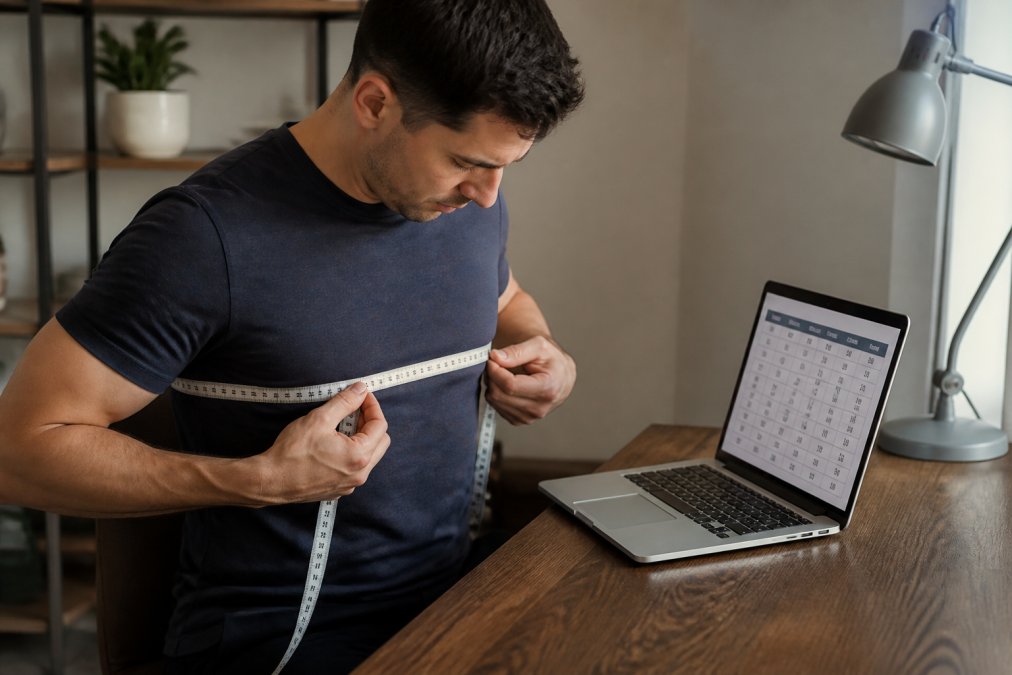
Start by knowing your measurements: chest, waist, hips, sleeve length, and inseam. Use a soft measuring tape and have someone help if possible. Many online retailers provide detailed size charts showing how each size measures, not just generic S/M/L labels.
Compare your measurements to the retailer's size chart, not to your typical store size. Online retailers use different manufacturing standards than department stores. A size medium at one brand might be a size large at another.
Read customer reviews mentioning fit. Phrases like "runs small" or "true to size" from verified buyers are invaluable. If multiple reviews say an item runs small, size up. If reviews say it runs large, size down.
Some retailers offer fit guarantee programs allowing you to try items at home and return anything that doesn't fit without question. Others provide virtual try-on tools or fit prediction algorithms based on your measurements and past purchases.
Pay attention to fabric composition. A 100% cotton shirt fits differently than a cotton-polyester blend. Natural fibers like cotton and linen tend to shrink slightly when washed, while synthetics are more stable.
For dresses and pants, inseam and sleeve length are critical. A dress two inches too long requires tailoring. Many retailers offer custom inseam options for an additional fee, worth the investment for pants or jeans.
Packaging, Insurance, and Protection for Your Orders
Reliable shipping requires proper packaging that protects garments during transit. The difference between a wrinkled arrival and perfect condition often comes down to packaging.
Appropriate packaging includes tissue paper or garment bags to prevent wrinkles, bubble wrap or foam padding to cushion the package, and a sturdy box that won't crush. Some retailers add branded tissue paper or thank-you cards that improve the unboxing experience.
Packaging thickness matters. A package cushioned with only thin tissue might survive one trip, but stacked under other packages in a sorting facility, garments can get compressed and wrinkled. Quality retailers use at least two inches of padding on all sides.
Shipping insurance is optional but worth considering for high-value items. Standard carrier liability covers only a fraction of item value, often $100 or less for ground shipping. For a $300 designer piece, adding $5 to $10 in insurance protects you if the package is lost or severely damaged.
Return packaging is equally important. Use a box appropriately sized and padded. Oversized boxes allow items to shift during transit, causing wrinkles or damage. Many retailers provide return labels but not boxes, so you may need to use a previous order's box or purchase one.
Building Trust in Online Clothing Retailers
Trust is the foundation of reliable shipping for online clothing. A retailer that communicates clearly, handles problems transparently, and stands behind their products builds customer loyalty beyond any single transaction.
Clear communication starts before you buy. A retailer should clearly state shipping options, costs, and timelines on the product page, not buried in help sections. They should explain return policies in plain language and display customer reviews prominently, including those mentioning fit, quality, and shipping experience.
After purchase, a reliable retailer sends proactive communications. An order confirmation showing exactly what you ordered and when it will ship sets expectations. A shipping notification with tracking number and carrier information confirms the package is on its way. Updates at key milestones keep you informed.
When problems occur, delayed packages, damaged items, or fit issues, a reliable retailer responds quickly with solutions. Live chat or phone support is more reliable than forms requiring three-day waits. Immediate refunds or exchanges for damaged items signal reliability.
Secure checkout is non-negotiable. A retailer should use HTTPS encryption (indicated by a padlock icon), display security certifications, and clearly state payment security practices.
Hoss Style & Co prioritizes these trust-building elements. Every order includes a tracking number and real-time updates from checkout to delivery. Our return policy is clear and generous. Our secure checkout uses industry-standard encryption, and our customer service team responds within 24 hours. We stand behind our clothing and shipping process because reliable shipping for online clothing keeps customers coming back.
Building a reliable online clothing shopping experience starts with choosing retailers that invest in clear communication, quality packaging, and transparent tracking. When you shop at Hoss Style & Co, you're choosing a brand that treats reliable shipping for online clothing as a core part of the customer experience. Our curated collection of modern fashion arrives in perfect condition, on time, and with full visibility into every step of the journey. Shop All and experience the difference that attention to detail makes.
Frequently Asked Questions
What signs indicate reliable shipping for online fashion?
Reliable shipping for online clothing includes tracking numbers provided at order confirmation, clear delivery windows (not vague estimates), carrier partnerships with known companies like USPS or UPS, and transparent communication about processing times. Trustworthy retailers show shipping costs upfront, offer multiple carrier options, and provide automatic delivery updates. If a store hides shipping details or charges unexpectedly high fees, that's a red flag.
How long is a reasonable wait time for online clothing delivery?
Standard shipping typically takes 5-10 business days from order processing. Express options deliver in 2-3 business days, while next-day delivery is available for urgent needs. Processing time (before the carrier picks up) usually adds 1-2 business days. Reasonable retailers clearly separate processing time from transit time so you know exactly when your order ships. Anything beyond 14 business days for standard delivery warrants a follow-up with customer service.
What should I do if my clothing order is lost in transit?
First, check your tracking number on the carrier's website to confirm the status. If it shows as lost or hasn't updated in 7+ days beyond the delivery window, contact the retailer's customer service with your order number and tracking information. Most reliable retailers file claims with the carrier immediately and either reship your order or issue a refund. Document everything, screenshots of tracking, email confirmations, and dates. Retailers committed to customer experience resolve lost orders within 7-10 days.
Why is tracked shipping essential for online clothing purchases?
Tracked shipping gives you visibility into your order's journey and proof of delivery, which protects both you and the retailer. Without tracking, you can't verify the package arrived, making disputes difficult to resolve. Tracking also lets you plan around delivery, crucial for busy professionals who need clothes on a specific timeline. Retailers offering tracked shipping demonstrate they stand behind their fulfillment process and customer experience.
This article was written using GrandRanker


